Blog

Why Choose a Parent Portal Monitoring App?

Why Choose a Parent Portal Monitoring App?

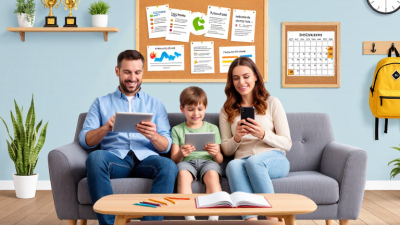
A missed attendance alert can appear between a grocery reminder and a late-night message from school. A Parent Portal Monitoring App can bring grades, attendance, assignments, and teacher updates into one view. For busy families, that small convenience may prevent a forgotten permission slip or an overlooked change to pickup plans. It can also help parents notice patterns, such as several incomplete assignments appearing in the same week. The case for using an app should include more than convenience. Sherry Turkle, an MIT professor who studies technology and human relationships, wrote, “Technology proposes itself as the architect of our intimacies.” Her observation offers a useful caution: tools can shape family communication, not just organize it. A well-chosen app should make school information easier to discuss, while giving families clear privacy settings and control over notifications. Still, visibility is not the same as understanding. A low grade may reflect confusion, illness, or a difficult week—not a lack of effort. Parents should use alerts as conversation starters, rather than treating every notification as a verdict. That takes judgment. This guide explores how monitoring apps can support timely involvement, what features deserve close attention, and where digital oversight can become excessive. The goal is practical awareness, with room for trust, context, and the occasional missed alert.
Read more »
Margot By:Margot - November 17, 2026
China Top First Phone for Kids What Should Buyers Know?

China Top First Phone for Kids What Should Buyers Know?

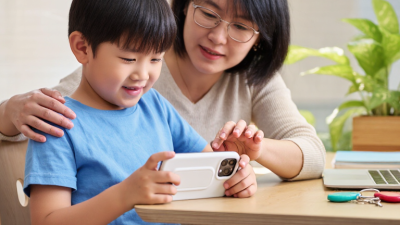
Choosing a First Phone for Kids in China is not just a matter of picking the newest model. Buyers should consider a child’s age, daily routine, and readiness to use a device responsibly. Developmental behavioral pediatrician and media researcher Dr. Jenny Radesky emphasizes that children’s media experiences depend on context and content, not screen time alone. That is a useful starting point. In practical terms, compare battery life, durability, location-sharing options, and parental controls. Check whether controls are easy to understand and whether they protect a child without turning every conversation into surveillance. A sturdy case, clear emergency contacts, and a simple home-screen layout can matter more than a high-resolution camera. Not just the price. Buyers should also check current school policies and the availability of local network services before purchasing. Features vary by model and region, so verify details with the manufacturer rather than relying on a product listing. A first phone can help a child coordinate a pickup, contact family, or build independence. It can also bring distractions, accidental purchases, and new privacy questions. A phone alone cannot teach good judgment. Set shared expectations for bedtime, app downloads, and what to do when an unfamiliar message appears. Then revisit those expectations as the child grows. The choice may not be perfect on day one; that is worth admitting. A thoughtful trial period, with regular check-ins, can help families adjust the device and its rules to real life.
Read more »
Margot By:Margot - November 7, 2026
How to Choose a Kids Smartwatch with Calling and Messaging?

How to Choose a Kids Smartwatch with Calling and Messaging?

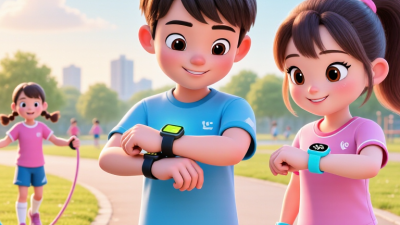
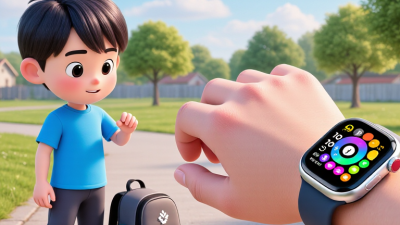
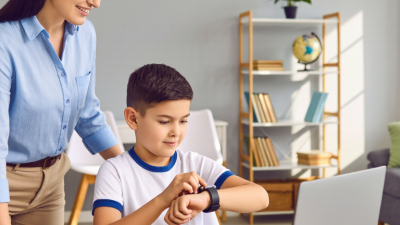
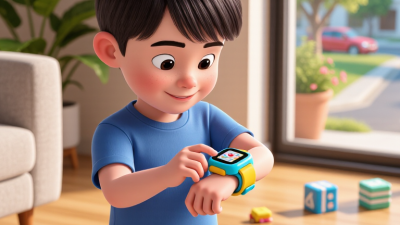
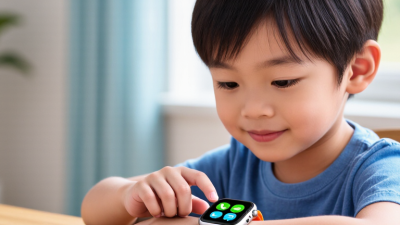
Choosing a Kids Smartwatch with Calling and Messaging is not simply about bright screens or colorful straps. It is about balancing connection, safety, privacy, comfort, and a child’s growing independence. A useful watch should let a child contact approved family members without feeling like a miniature smartphone. Calling must sound clear in a noisy school corridor. Messaging should be simple enough for small fingers. The device should also offer dependable battery life, strong parental controls, and transparent data practices. A watch that needs charging every afternoon may fail when it matters most. James P. Steyer, founder of Common Sense Media, has said, “Technology should support parenting, not replace it.” That principle guides this discussion. A Kids Smartwatch with Calling and Messaging can reassure parents during a walk home, but it cannot replace conversation, supervision, or trust. It should be one layer of support. Look closely at contact approval, location features, emergency options, and message history. Check whether location sharing can be disabled when appropriate. Consider waterproofing, strap comfort, and the child’s ability to operate the watch independently. Small details matter. A confusing interface can create stress instead of confidence. There is no perfect choice. Some parents may prioritize GPS accuracy, while others may value fewer distractions. I may favor simple controls too strongly, because advanced features can sometimes help older children. The best decision depends on age, maturity, routines, and family expectations. This guide examines those trade-offs carefully, so buyers can choose with clearer evidence and fewer assumptions.
Read more »
Margot By:Margot - October 28, 2026
7 Tips for Choosing a Kids Wearable GPS Tracker?

7 Tips for Choosing a Kids Wearable GPS Tracker?

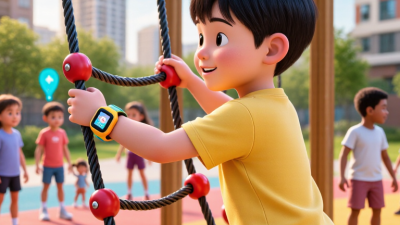
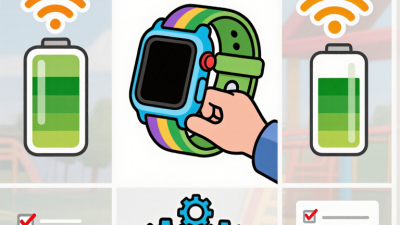
Choosing a Kids Wearable GPS Tracker is not simply a matter of finding the smallest device. Parents need dependable location updates, clear alerts, comfortable design, and responsible data handling. A tracker may look impressive in a product photo, yet fail when a child enters a crowded playground or a weak-signal area. Market research reflects this growing interest. Grand View Research identifies rising demand for GPS tracking devices, supported by connected lifestyles and real-time location services. Berg Insight’s industry analysis also reports continued growth in personal tracking solutions, including products designed for children and families. These figures show market momentum, but they do not prove that every tracker performs equally well. Reliability matters more than novelty. A practical review should examine network coverage, positioning accuracy, battery endurance, geofencing, SOS functions, and water resistance. It should also consider how easily a child can wear and operate the device. A bulky tracker may remain at home. That defeats its purpose. Privacy deserves equal attention. The NIST Privacy Framework encourages organizations to identify, govern, control, and communicate personal-data risks. Parents should check where location data is stored, who can access it, and whether unnecessary sharing can be disabled. The FTC has repeatedly emphasized transparency and parental awareness in connected products. No device is perfect. GPS signals can drift near buildings, and batteries can die unexpectedly. I have learned that simple testing often reveals more than polished specifications. Walk around a school route, test alerts indoors, and review the companion app carefully. The following seven tips can help families choose a Kids Wearable GPS Tracker with clearer expectations and stronger everyday reliability.
Read more »
Julian By:Julian - October 23, 2026
How to Choose a Parental Control Smartwatch for Children

How to Choose a Parental Control Smartwatch for Children

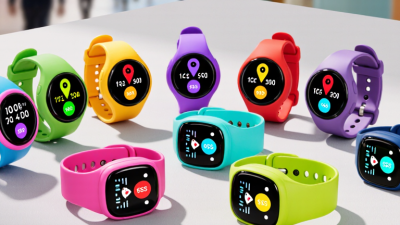
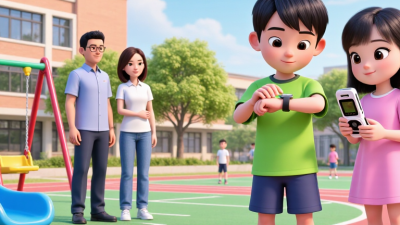
Choosing a Parental Control Smartwatch for Children requires more than comparing bright screens and colorful straps. The device sits on a child’s wrist during school, travel, play, and family routines. It can share location, receive calls, and trigger an SOS alert. The choice matters. Parents should examine GPS accuracy, contact approval, geofencing, battery life, school mode, and privacy settings. A watch that lasts only six hours may fail during an afternoon emergency. A device with open messaging may create unnecessary risks. Features can mislead. Industry evidence supports careful evaluation. Ofcom’s Children and Parents: Media Use and Attitudes Report 2024 shows how deeply connected devices shape children’s daily lives and parental decisions. The Common Sense Census: Media Use by Kids Zero to Eight also highlights children’s early exposure to digital media, making age-appropriate design important. The GSMA Mobile Economy 2024 report further emphasizes the expanding role of connected devices and mobile services worldwide. These reports do not prove that every child needs a smartwatch. They show why families need clear boundaries. Stephen Balkam, founder of the Family Online Safety Institute, has stated, “There is no silver bullet when it comes to online safety.” His warning applies directly here. A Parental Control Smartwatch for Children should support communication, not replace trust, conversation, or supervision. Parents should test the emergency function, review data permissions, and explain when tracking is appropriate. A careful choice may still contain compromises. That is normal. Reliability matters more than novelty.
Read more »
Margot By:Margot - October 18, 2026
How to Choose a School Mode Kids Smartwatch?

How to Choose a School Mode Kids Smartwatch?

Choosing a School Mode Kids Smartwatch is no longer only about colorful straps or cartoon faces. Parents are balancing communication, classroom focus, battery life, privacy, and emotional independence. The device should support a child’s daily routine, not quietly replace parenting or school guidance. Recent industry data explains the growing interest. Pew Research Center’s 2024 report found that 95% of U.S. teenagers have access to a smartphone, while 46% go online almost constantly. Younger children may not need the same level of access. The Common Sense Census: Media Use by Tweens and Teens reported that tweens averaged about 5 hours and 33 minutes of entertainment screen media daily, excluding schoolwork. That matters. A simpler watch may offer calls and location sharing without opening a full app ecosystem. However, choosing well requires more than comparing advertised features. Look for a clearly documented School Mode Kids Smartwatch with scheduled classroom restrictions, approved contacts, emergency calling, reliable battery performance, and durable water resistance. Check whether location data is encrypted, whether parents can delete account information, and whether the manufacturer explains software updates. Independent testing is more persuasive than glossy specifications. A watch that lasts only one school day may become frustrating by Friday. A strict school mode may also block useful communication if settings are poorly designed. Needs differ. My practical view is cautious: connectivity can reassure families, but it cannot solve every safety concern or distraction. Parents should test the watch at home, review school policies, and discuss when communication is appropriate. The best choice is usually the least complicated model that meets the child’s real routine.
Read more »
Julian By:Julian - October 13, 2026
7 Tips for Buying a Standalone 4G Kids Smartwatch?

7 Tips for Buying a Standalone 4G Kids Smartwatch?

Choosing a Standalone 4G Kids Smartwatch is not simply about picking the brightest screen or the lowest price. The device may become a child’s daily communication tool, location aid, and learning accessory. It should fit small wrists comfortably, survive playground drops, and remain usable during a busy school day. A careful buying process also considers network coverage, activation costs, battery performance, and age-appropriate controls. These details often matter more than colorful watch faces. This guide presents seven practical tips for comparing models with clearer judgment. It examines 4G compatibility, call quality, GPS accuracy, parental settings, privacy protection, battery life, and build quality. Manufacturer specifications provide a starting point, but independent reviews can reveal missing details, such as weak indoor reception or confusing menus. Check the supported bands with your local carrier. Do not assume every SIM card will work. Small print matters. No checklist is perfect. A watch can pass laboratory tests yet frustrate a child in real life. A parent may value precise location updates, while a child may care more about comfort and simple controls. That difference deserves attention. Reliable choices balance technical evidence with everyday experience. Look for transparent privacy policies, secure account access, responsive customer support, and realistic operating claims. The goal is not to find the most advanced watch. It is to choose a dependable device that supports safe communication without creating unnecessary complexity or hidden expense.
Read more »
Julian By:Julian - October 8, 2026
How to Choose a Cell Phone Alternative for Kids in 2026?

How to Choose a Cell Phone Alternative for Kids in 2026?

Choosing a Cell Phone Alternative for Kids in 2026 requires more than comparing screen sizes or monthly prices. Parents must balance safety, communication, privacy, and growing independence. Pew Research Center reported in 2024 that 95% of U.S. teens have access to a smartphone. That figure shows how normal connectivity has become, but it does not prove every child needs a full smartphone. A practical alternative may include a basic phone, GPS watch, limited-function communicator, or shared family device. Each option creates different trade-offs. A GPS watch may support quick check-ins after school, while a basic phone can offer calling without endless app notifications. Some devices still collect location data, however. Parents should examine data policies, emergency features, contact controls, battery life, and school rules before purchasing. Small details matter. Can a child call a trusted adult from a noisy playground? Can parents disable unknown contacts? What happens when the battery reaches five percent? Common Sense Media has reported that many children receive personal mobile devices before adolescence, reflecting strong household demand for convenience and reassurance. Yet expert guidance from the American Academy of Pediatrics emphasizes family media planning, sleep protection, and age-appropriate boundaries. No option is perfect. A restricted device can reduce distractions, but it may also frustrate a child during real emergencies. Families should test the device together for one week, review its settings, and revise expectations honestly. The best choice is not the most advanced product. It is the tool that matches the child’s maturity, daily route, and family’s ability to supervise consistently.
Read more »
Elowen By:Elowen - October 3, 2026
Why Choose JrTrack 5 SE Smartwatch for Global Buyers?

Why Choose JrTrack 5 SE Smartwatch for Global Buyers?

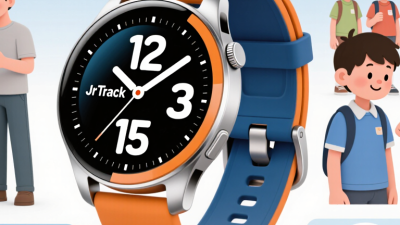
Choosing the right connected watch for a child requires more than attractive specifications. The JrTrack 5 SE Smartwatch is designed for families seeking communication, location awareness, and practical daily support in one compact device. For global buyers, its value depends on more than the watch itself. Network compatibility, regional service availability, language options, charging routines, and customer support can strongly influence the experience. A careful buyer should verify these details before ordering. Small differences matter. In real use, parents may appreciate quick check-ins during school trips, a visible time display, and easier contact without handing over a full smartphone. The watch can also encourage simple routines, such as checking battery levels before leaving home. However, no smartwatch removes every parenting concern. Battery performance may change with location features, signal strength, and usage habits. Some families may find the interface helpful, while others may prefer fewer functions. That uncertainty deserves attention. This guide examines why the JrTrack 5 SE Smartwatch may suit international families, while recognizing its practical limits. It considers communication tools, safety-focused features, setup requirements, durability, privacy expectations, and long-term value. Reliable purchasing decisions should come from clear specifications and verified regional information, not promotional language alone. Real families need realistic answers. That is the standard this overview aims to follow.
Read more »
Elowen By:Elowen - September 23, 2026