0%

A child’s first connected device should make everyday life easier, not add another endless feed. A No Social Media Kids Watch can support calls, simple messages, and check-ins while leaving social platforms out of reach. That distinction matters. Pew Research Center’s 2024 report found that 95% of U.S. teens ages 13–17 have access to a smartphone, while many use multiple social platforms. These figures describe teenagers, not younger children, but they show how early connected habits can become part of family life.

The U.S. Surgeon General’s 2023 advisory reported that adolescents who spend more than three hours a day on social media face roughly twice the risk of certain mental health problems, including symptoms of depression and anxiety. The advisory also cautions that current evidence does not establish social media as safe for young people. This is not proof that every platform harms every child. It is a reason to think carefully about what a child’s wrist device can access. A No Social Media Kids Watch may offer a more focused option: a parent can reach a child after school, and the child can answer without scrolling through posts or notifications. Still, a watch is not a parenting shortcut. Features, privacy settings, battery life, and a child’s readiness all deserve a closer look. Less distraction helps. It does not solve everything.
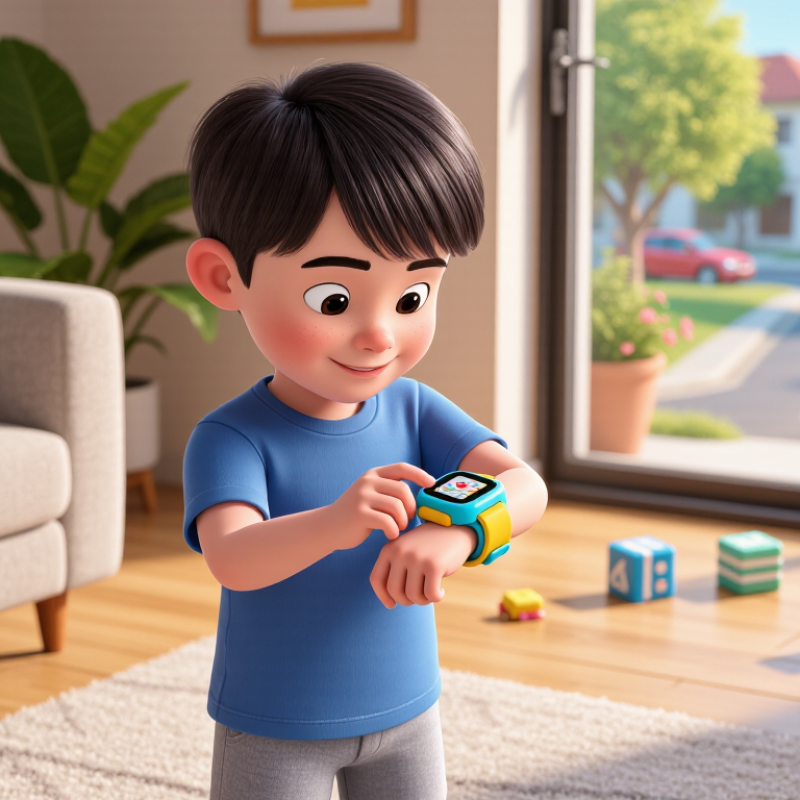
Why Choose a Kids Watch With No Social Media?

What Is a Kids Watch With No Social Media?

What is a kids watch with no social media? It is a wearable device made for simple communication and everyday utility, without social feeds, public profiles, or likes. Instead of scrolling through posts, a child might check the time, call an approved contact, or see a reminder before school. Some models also include location features or basic activity tracking. No endless feed.

The exact features vary. A caregiver may be able to choose contacts, set quiet hours, and review privacy controls through a companion app. That can make the watch easier to manage, but it does not automatically make every feature private. Check what information the device collects, who can see it, and whether location sharing can be turned off. Read the settings, not just the product description.

For a child, the difference can be tangible: a small screen for reaching family, rather than a pocket-sized stream of videos and comments. Still, “no social media” is not the same as “no distractions” or “no data collection.” Some watches have games, cameras, or messaging tools that deserve a closer look. The label can sound more reassuring than it is. A clear talk with your child about when to wear it, whom to contact, and what not to share helps set realistic expectations.

Why Choose a Kids Watch With No Social Media? — What Is a Kids Watch With No Social Media?
Consideration What a No-Social-Media Watch Means Why It May Matter for Children What to Check Before Choosing
Social networking features The watch is designed without social-media feeds, public profiles, or social networking apps. It can reduce access to social features that may invite public sharing or interactions with a wider audience. Review the app list and settings; features vary by device and may change after software updates.
Communication Some watches still allow calls or messages to approved contacts, even without social media. Children may be able to contact family or caregivers without using a public social platform. Check whether contacts must be approved by a parent and whether messaging is limited to those contacts.
Privacy and data Removing social apps does not automatically mean a watch collects no data. Connected watches may process information such as location, contacts, or device activity, depending on their functions. Read the privacy policy and check what data is collected, how it is used, and how account data can be deleted.
Location features A watch may include location sharing independently of social-media features. Location tools can help caregivers coordinate with a child, but location information is sensitive. Check who can view location, when it is shared, and whether location history can be limited or turned off.
Distractions A simpler watch may focus on practical tools such as telling time, alarms, or parent-approved communication. Fewer entertainment and social features may make it easier to keep the device focused on agreed uses. Compare available apps, notifications, games, and options for setting school or quiet hours.
Online safety No social media means fewer social-platform features, but it does not remove every online risk. Children may still use connected services or communicate through other enabled features. Set clear family rules, use available parental controls, and review who can contact the child.
Best-fit use It may suit families looking for a wearable with selected communication or safety tools but without social networking. The right choice depends on the child’s age, needs, and readiness to use a connected device. Choose features together with the child and reassess settings as their needs change.

How Social Media-Free Kids Watches Work

A social-media-free kids watch works by narrowing what the device can do. Instead of feeds, likes, and endless scrolling, it may offer calling or messaging with parent-approved contacts, location sharing, and basic reminders. A parent usually manages contacts and settings through a companion app. The watch connects through a mobile network or Wi-Fi, depending on its design and service plan. Some models include GPS, but location can be less precise indoors or when reception is weak. Small details matter: a child can call a caregiver from the school gate, but cannot browse a public profile.

The design responds to a real shift in children’s digital lives. Pew Research Center’s 2024 report found that 95% of U.S. teens have or can access a smartphone, while 46% say they are online almost constantly. Those figures describe teens, not younger children, so they should not be treated as a forecast for every family. Still, they show why some caregivers prefer a simpler first device. A watch can support contact without opening the same social feeds. It is not a perfect boundary: messaging still needs family rules, and location features raise privacy questions. Check who can see the child’s location, when sharing is active, and whether the watch stores messages. Little screens can still create big expectations.

Benefits for Children’s Focus and Well-Being

A watch without social media gives children fewer reasons to check a screen between activities. With practical tools like the time, alarms, or family contacts, it may be easier to stay focused on the moment. At school, that could mean finishing a worksheet before glancing at the wrist. On a walk, it might mean noticing wet leaves and listening to a friend instead of scrolling through posts. Small shifts matter.

Social platforms can bring alerts, comparison, and pressure to respond. Children are still learning to manage those demands. Removing social feeds may reduce interruptions and make routines feel calmer, especially around homework and bedtime. Not a cure-all. A watch can still distract if it buzzes often, and every child responds differently. Families can review settings together and agree on quiet hours rather than assuming a simpler device needs no guidance.

A little less online pressure may leave more room for conversation, play, and rest. Children may feel less pulled toward likes or comments and more present with the people around them. But “no social media” is not a complete well-being plan. Ask children what distracts them, then listen without turning the talk into a lecture. Some may miss group chats, and that deserves discussion. A thoughtful choice balances connection with space to focus while giving children practice making healthy choices as they grow.

Why Choose a Kids Watch With No Social Media?

What this suggests: A watch without social media can help keep notifications and social feeds from competing for a child’s attention. This chart shows an association, not proof that social media causes mental-health problems or that a particular watch improves well-being.

Source: U.S. Surgeon General’s Advisory on Social Media and Youth Mental Health (2023). The advisory reports that adolescents spending more than 3 hours a day on social media face about twice the risk of poor mental-health outcomes. The 1× value is a reference index, not an absolute risk estimate.

Privacy and Safety Features to Consider

A kids watch without social media can keep communication simple: calls or messages go to a small, approved contact list. That matters when a child checks in after school, rather than scrolling through public posts or requests from unfamiliar accounts. Still, “no social media” does not automatically mean private. Check what information the watch collects and whether location sharing can be turned off when it is not needed.

Look for clear controls over contacts, location, and any camera or microphone. A parent should be able to review permissions without digging through confusing menus. Location tools can help during a busy pickup, but continuous tracking may collect more than a family needs. Choose settings you understand, and explain them to your child. That conversation can feel awkward. It is worth having.

Use a strong passcode, install security updates, and check whether stored data is protected during transmission. An emergency button may be useful, but it should not replace teaching a child whom to contact and where to go for help. Test the watch together: send a message, review its privacy settings, and practice the emergency feature. Some controls may be clumsy, and features can change after an update, so revisit the settings occasionally.

How to Choose the Right Watch for Your Child

Choosing a child’s watch starts with its purpose: calling a caregiver, checking the time, or supporting a safe walk to school. Common Sense Media’s 2021 census reported that children aged 8–12 used entertainment screen media for an average of 5 hours and 33 minutes daily, excluding schoolwork. A watch without social media can keep communication simple, but it will not automatically improve screen habits. Set clear rules together.

Fit matters. The watch should sit snugly without pinching, and your child should be able to read its display outdoors. Check battery life, water resistance, emergency calling, and whether location features can be switched off when unnecessary. Ask what data the device collects, who can see it, and how long it is stored. Read the privacy settings before setup, not during a rushed school morning.

The World Health Organization recommends an average of at least 60 minutes of moderate-to-vigorous physical activity daily for children aged 5–17. A watch can support routines, but it should not turn movement into constant monitoring. Check it twice. Consider school rules, charging habits, and whether your child can manage the controls independently. A tempting mistake is choosing the most feature-rich model; extra functions may add cost and distraction without solving your family’s actual need.

FAQS

What is a kids’ watch with no social media?

It offers simple tools like the time, alarms, and approved family contacts. No endless feed.

Can a child use it to contact family?

Many models allow calls or messages to selected contacts. Caregivers may manage the contact list through an app.

Does “no social media” mean the watch has no distractions?

No. Games, cameras, messages, or frequent alerts can still draw attention. The label is not the whole story.

Can this type of watch help children focus?

It may reduce interruptions from social feeds. A child might finish a worksheet before checking a wrist alert.

Does a watch without social media collect no personal information?

Not necessarily. Check what data it collects, who can access it, and whether location sharing can be turned off.

What settings should families review?

Review approved contacts, quiet hours, privacy controls, and location options. Read the actual settings, not only the product description.

Is this watch suitable for school and bedtime?

It may support routines, but alerts can still distract. Families can agree on quiet hours for homework and bedtime.

Could a child miss social connections without group chats?

Possibly. Ask what the child values and listen without turning the conversation into a lecture. That part can be awkward.

Conclusion

A No Social Media Kids Watch is designed to give children useful everyday features without access to social networking platforms. Depending on the model, it may support simple communication, timekeeping, activity tracking, or location sharing through parent-managed settings. By keeping social feeds, public profiles, and social messaging out of reach, the watch can offer a more focused digital experience suited to a child’s age and needs.

With fewer online distractions, children may find it easier to concentrate on school, play, and face-to-face interactions. When choosing a watch, consider its privacy controls, contact permissions, location features, data handling, durability, battery life, and ease of use. Look for clear parental controls and settings that let you limit features appropriately. The right choice should balance practical communication and safety with your child’s independence, while supporting healthy routines and reducing unnecessary screen distractions.


Julian

Julian

Julian is a professional marketing specialist dedicated to helping businesses make better-informed decisions through clear, practical, and industry-focused communication. With extensive knowledge of the company’s products and services, he translates complex features into useful insights that are......