Direct factory bulk supply engineered with multi-band Safaricom, Airtel Kenya, and Telkom compatibility, IP68 waterproofing, hardened encryption, and parent-app remote telemetry.
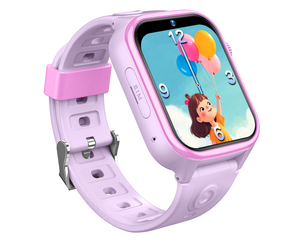
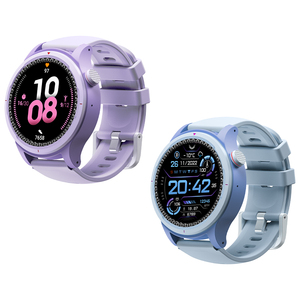
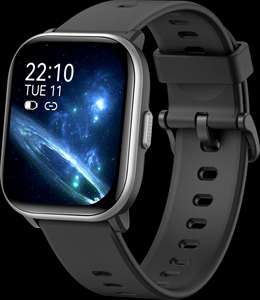
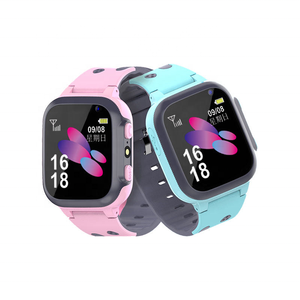
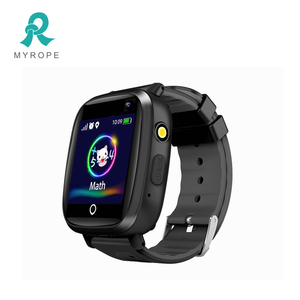
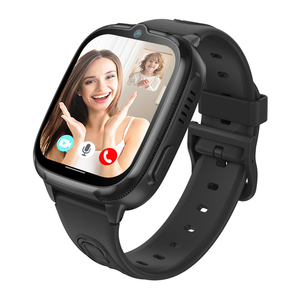
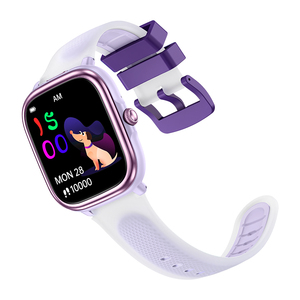
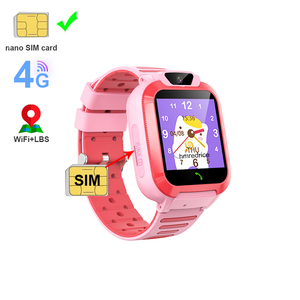
As Kenya solidifies its position as the premier technology hub ("Silicon Savannah") of East and Central Africa, the market demand for standalone cellular IoT hardware, specifically 4G LTE SIM smartwatches, has seen exponential growth. Educational institutions, logistics firms, private security agencies, and family safety brands require resilient, anti-tamper, and network-compliant wearable hardware tailored to local infrastructure.
This technical whitepaper outlines the critical hardware specifications, regulatory requirements, network frequency adaptations, and commercial procurement strategies necessary for successful deployment of SIM-enabled smartwatches across Nairobi, Mombasa, Kisumu, Nakuru, and regional East African export destinations.
Deploying cellular smartwatches in Kenya requires strict adherence to local RF spectrum assignments. Unlike standard consumer smartwatches designed for Western or East Asian frequency allocations, enterprise SIM smartwatches exported to Kenya must natively support specific 4G FDD-LTE and TDD-LTE frequency bands utilized by major mobile network operators (MNOs).
Our standalone 4G smartwatches feature auto-configuring Access Point Name (APN) firmware presets for Kenyan MNOs. When a Safaricom, Airtel, or Jamii Telecom SIM card is inserted, the watch chipsets automatically establish encrypted TCP/IP data tunnels without manual AT-command configuration.
The versatility of 4G standalone SIM-enabled smartwatches extends beyond basic consumer timekeeping into mission-critical commercial and institutional deployments across Kenya.
In major Kenyan urban centers such as Nairobi and Eldoret, educational institutions strictly prohibit standard smartphones due to digital distractions and social media misuse. Our SIM smartwatches solve this dilemma through School-Fi Geo-Fencing & Class Mode.
When a child enters the geographical boundary of a school campus, the smartwatch automatically mutes incoming non-essential calls, locks touch-screen games, and restricts functionality strictly to background GPS reporting and emergency SOS triggers. Parents remain connected through parent-approved call whitelists, satisfying school mobile phone policy guidelines while guaranteeing child safety during school bus transit.
Across the Rift Valley agricultural corridor and remote infrastructure sites, field workers require lightweight, hands-free emergency communication tools. Standard mobile phones are susceptible to damage, loss, or theft.
IP68-rated SIM smartwatches equipped with real-time fall detection, heart-rate telemetry, and one-touch SOS emergency calling provide enterprise safety teams with instant GPS coordinates during emergency events in remote flower farms, tea estates, or wildlife conservation parks.
Kenyan logistics operators utilize wearable SIM trackers with low-power GNSS chipsets for personnel dispatch monitoring. Integrated anti-tamper sensors instantly send alert packets to backend dashboards if a field operative unclasps or removes the wearable outside designated operational zones.
With East Africa’s expanding healthcare infrastructure, wearable SIM monitors allow private hospitals and families to continuously track vital signs, medication alarms, and geographic movement of elderly patients with dementia, relaying metrics over secure cellular data streams directly to localized medical servers.
Understanding regional trends is essential for bulk importers, tech distributors, and telecom tenders operating within Kenya and expanding across the East African Community (EAC) market.
| Market Vector | Legacy Technology (2G/3G) | Next-Gen Standard (4G LTE / IoT) | Impact on Kenya Procurement |
|---|---|---|---|
| Cellular Network | 2G GSM (900/1800MHz) Phase-out | 4G FDD-LTE + VoLTE Voice HD | Prevents device obsolescence as regional carriers decommission legacy 2G networks. |
| Location Technology | Cell Tower Triangulation (LBS only) | GPS + AGPS + WiFi + LBS Hybrid | Reduces position drift from 500 meters down to 5 meters in dense urban Nairobi blocks. |
| Power Management | 350mAh / Daily Recharge | 700mAh to 900mAh Polymer Batteries | Extends operational battery life up to 48 hours under multi-interval tracking modes. |
| Data Sovereignty | Unencrypted Third-Party Cloud | AES-256 Encrypted Private Cloud API | Fulfills Kenya Data Protection Act (KDPA) compliance for handling personal location data. |
1. Transition from 2G to Standalone 4G VoLTE: Mobile operators across East Africa are re-farming 2G spectrum to expand 4G and 5G capacity. Importing 2G-only tracking watches presents severe long-term commercial risk. All hardware produced by our engineering facilities incorporates future-proof LTE Cat-1 or Cat-4 modems designed for extended 10-year lifecycle stability.
2. Demand for Zero-Social-Media Devices: Parents and educational administrators are rejecting full-featured smartphones for pre-teens. The market is shifting decisively toward dedicated SIM smartwatches that deliberately exclude web browsers, app stores, and open social feeds while retaining robust two-way voice call and multimedia messaging features.
Direct answers to common technical, logistics, compliance, and custom ordering questions from Kenyan B2B buyers, government contractors, and retail partners.
Backed by advanced hardware engineering, North American technical management, and dedicated high-capacity SMT manufacturing lines, we deliver robust, reliable, and secure wearable communication hardware to worldwide markets including East Africa.
Looking for reliable SIM watch suppliers or custom OEM manufacturing for the Kenyan market? Speak directly with our export logistics team.
