
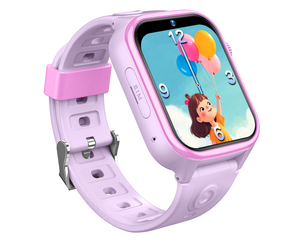
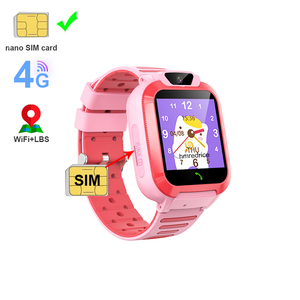
S30 Kids Phone SIM Card 2+16GB Smart Watch Photo SOS GPS Tracker
- Storage: 2GB RAM + 16GB ROM Flash
- Tracking: GPS + LBS + WiFi Tri-Mode
- Safety: One-Touch Emergency SOS
Verified OEM/ODM Hardware Specs Engineered for Global Telecom Carriers, Brand Distributors, and Institutional Buyers.
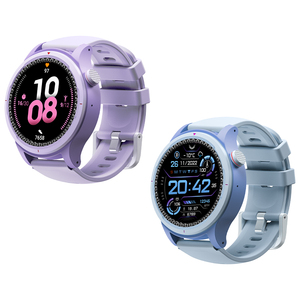
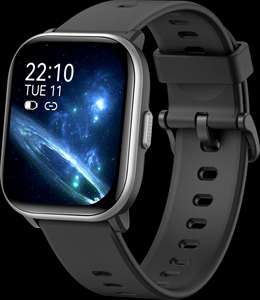
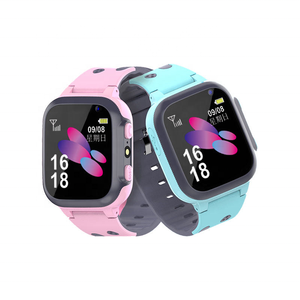
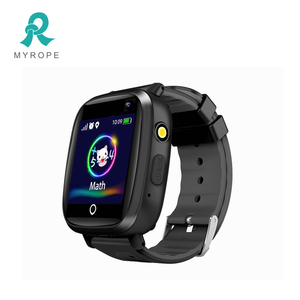
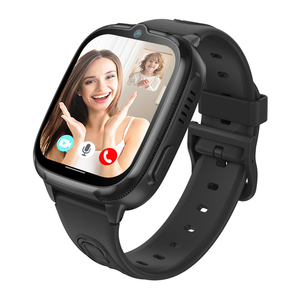
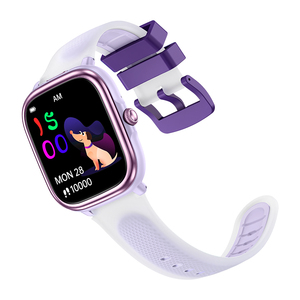
The global wearable technology ecosystem is undergoing a seismic architectural transition. As telecommunication networks worldwide complete the phase-out of legacy 2G/3G infrastructures, procurement directors, brand owners, and OEM/ODM distributors are actively seeking specialized manufacturing partners capable of delivering robust 4G LTE and 5G NR standalone smart accessories. China remains the unquestioned epicenter of global smart device engineering and assembly, offering unmatched vertical integration—from raw silicon SMT (Surface Mount Technology) lines to custom localized firmware development.
However, navigating the landscape of Chinese smart accessory factories requires rigorous technical evaluation. Sourcing teams must look beyond superficial aesthetic shells and examine critical core competencies: RF antenna efficiency, low-power system-on-chip (SoC) integration, thermal dynamics, IP68 waterproofing seaming techniques, and compliance with global privacy frameworks such as GDPR and COPPA. This comprehensive B2B whitepaper analyzes the technology benchmarks, supply chain trends, and procurement frameworks necessary to secure high-gain OEM/ODM partnerships with leading Chinese manufacturers.
"To achieve sustainable profit margins in the smart accessories sector, global buyers must pivot from spot-market commodity sourcing toward strategic co-development with integrated R&D factories that maintain end-to-end control over hardware, firmware, and cloud app infrastructure."
Leading Chinese smart accessory OEMs, such as the strategic production hubs supporting brands like Cosmo Technologies, represent a hybrid operational model: Western R&D oversight merged with high-velocity Shenzhen/Dongguan manufacturing lines. This integrated ecosystem offers several distinct technical advantages:
Multi-constellation positioning algorithms combining GPS, GLONASS, LBS, and indoor Wi-Fi triangulation to provide sub-meter spatial accuracy without excessive battery drain.
Zero-social-media software sandboxing with strict Whitelist-Only Contact Filtering. Over 1.8 million unverified incoming calls and text vectors are blocked monthly per 100,000 active devices.
Dynamic automated focus locks triggered by physical campus boundaries rather than rigid clock times, ensuring compliance with strict regional educational device policies.
When sourcing smart accessories and kids 4G smartwatches, evaluating component specifications is essential for long-term field reliability. The table below outlines the industrial standard benchmarks established by top China manufacturing partners:
| Spec Parameter | Standard OEM Specification | High-Tier Flagship Spec | B2B Sourcing Value Impact |
|---|---|---|---|
| Processor (SoC) | Dual-Core ARM Cortex-A7 (SL8521E) | Quad-Core Low-Power 4G SoC (UIS8910FF) | Ensures smooth UI transitions and 40% lower thermal dissipation. |
| Display Tech | 1.5" - 1.83" IPS LCD Touch Panel | 1.43" - 1.6" AMOLED High-Contrast | AMOLED cuts display power consumption by 25% on dark UI themes. |
| Water Sealing | IP67 Sealed Gaskets (1m immersion) | IP68 / 5ATM Acoustic Membrane Sealing | Prevents field returns due to accidental swimming or showering exposure. |
| Cellular Modem | Single-Band 4G Cat-1 | Global Multi-Band 4G LTE-FDD / TDD | Allows unified global SKU distribution across NA, EU, and APAC networks. |
| Battery Chemistry | 500mAh Cobalt Polymer | 700mAh+ Pure Cobalt High-Density Cell | Extends operational battery life past 24-36 hours of mixed active usage. |
The smart accessory industry is accelerating toward greater hardware autonomy, enhanced biometric sensing, and deeper cloud integration. Factory partners in China are investing heavily in five key technology shifts that procurement executives must integrate into their 3-to-5-year product roadmaps:
Physical SIM card slots present structural vulnerabilities regarding waterproofing and structural thickness. China's top factories are transitioning to integrated eSIM (Embedded SIM) chips coupled with RSP (Remote SIM Provisioning) platforms. This evolution allows global distributors to over-the-air (OTA) provision localized carrier profiles, streamlining supply chain logistics by eliminating localized SIM insertion steps during manufacturing.
Next-generation wearables are embedding micro-neural processing units (NPUs) directly into low-cost SoCs. TinyML enables local fall detection, step tracking filtering, and voice pattern recognition directly on the wrist without transmitting raw biometric telemetry to cloud servers, drastically enhancing user privacy while reducing cellular data overhead.
Health monitoring is expanding beyond basic heart rate tracking. Advanced ODM lines are incorporating PPG (Photoplethysmography) sensors capable of continuous SpO2 measurement, body temperature tracking, and stress indexing. Furthermore, modern acoustic waterproofing utilizes micro-porous PTFE membranes that permit clear two-way audio transmission while preventing water ingress under 1.5 meters of water depth.
Volumetric constraints have traditionally limited smartwatch battery capacities. Modern Chinese battery cell manufacturers are commercializing Silicon-Carbon anode battery technologies, increasing energy density by up to 20% within identical physical form factors. This technology enables sleek 13mm watch profiles to house 750mAh power reserves, effectively eliminating battery anxiety for end users.
Below are authoritative responses to the most critical operational and technical questions encountered during the OEM/ODM procurement process with Chinese smart accessory manufacturers.
Standard OEM customization (logo silk-screening, custom retail packaging, pre-loaded wall papers) generally starts at 1,000 units per SKU. Deep ODM customization involving custom tooling injection molds, tailored PCB layouts, and bespoke firmware builds typically requires a baseline MOQ of 3,000 to 5,000 units, accompanied by NRE (Non-Recurring Engineering) agreements.
Tier-1 manufacturers operate internal pre-compliance testing labs equipped with RF anechoic chambers and SAR (Specific Absorption Rate) testing rigs. Official certifications are executed through accredited international testing bodies such as SGS, TÜV Rheinland, or Intertek. Hardware is certified for FCC ID (North America), CE RED (Europe), RoHS 2.0 chemical compliance, and UN38.3 battery transport safety.
Factory partners provide complete software stack customization. This includes custom OS boot animations, localized UI languages, branded companion mobile app interfaces (iOS & Android), custom cloud server endpoint binding, and proprietary OTA update server setup to ensure brand ecosystem consistency.
Quality control follows a rigorous multi-stage pipeline: 100% Incoming Quality Control (IQC) on raw ICs and displays, Automated Optical Inspection (AOI) and In-Circuit Testing (ICT) post-SMT, 100% pneumatic IP67/IP68 pressure testing, 48-hour continuous burn-in aging for battery cells, and Final Quality Control (FQC) sampling prior to export packaging.
Leading OEM providers utilize localized AWS or Microsoft Azure cloud infrastructure based in target sales regions (e.g., Frankfurt for EU data compliance under GDPR, Virginia for US compliance under COPPA). All cellular data streams are encrypted using AES-256 and TLS 1.3 protocol standards, ensuring that raw location and audio data remain inaccessible to unauthorized third parties.
Navigating Asian supply chains requires a trusted manufacturing partner equipped with robust engineering capabilities and established international compliance credentials. Our manufacturing ecosystem bridges cutting-edge hardware design with scalable industrial capacity:
Gain direct access to complete engineering datasheets, factory audit reports, wholesale price tiers, and custom OEM/ODM sample kits.
Get Catalog