Explore flagship B2B wearables engineered with liquid silicone dispensing, 4G LTE cellular connectivity, multi-modal GPS positioning, and proven IP67/IP68 ingress durability.
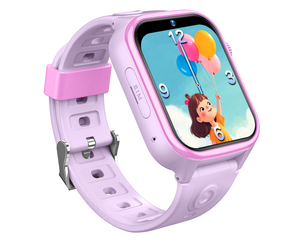
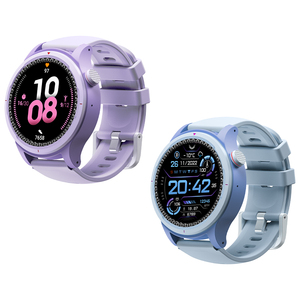
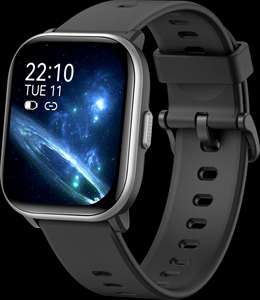
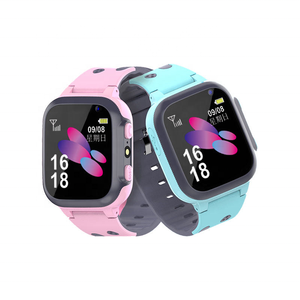
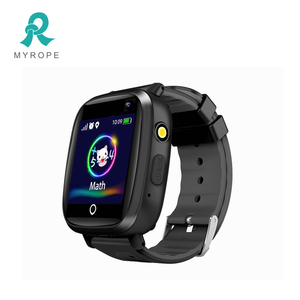
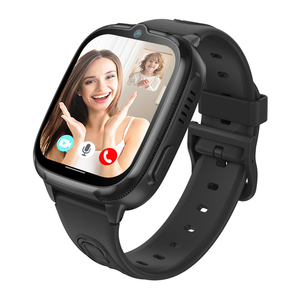
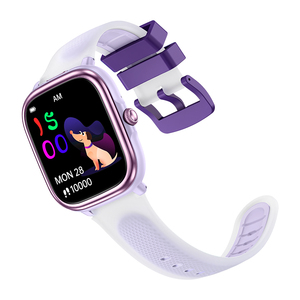
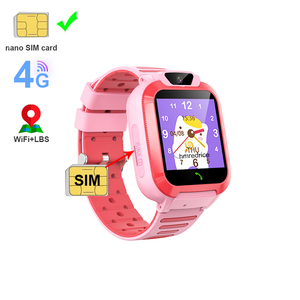


The consumer wearables market has undergone a fundamental structural transformation. No longer treated as non-essential digital gadgets, waterproof smartwatches—especially standalone 4G LTE models tailored for children, outdoor sports, and industrial health monitoring—represent one of the fastest-growing categories in hardware manufacturing. For global importers, brand owners, and institutional procurement officers, identifying tier-1 original equipment manufacturers (OEMs) and original design manufacturers (ODMs) requires evaluating technical capabilities far beyond basic assembly.
A true enterprise manufacturing partner is evaluated across three core vectors: Ingress Integrity (automated automated liquid silicone dispensing and vacuum pressure testing under IEC 60529), RF Antenna Sensitivity (multi-band 4G LTE/eSIM certification with zero signal dampening caused by waterproof seals), and Firmware Security Architecture (closed-loop operating systems with parental controls and zero open web vulnerabilities).
To assist procurement managers in evaluating contract manufacturers, the matrix below details the structural engineering and operational benchmarks that separate leading exporters from low-cost assemblers:
| Evaluation Parameter | Tier-1 OEM / Flagship Exporters | Standard Low-Cost Exporters |
|---|---|---|
| Ingress Protection Method | LSR (Liquid Silicone Rubber) injection + Ultrasonic acoustic vent welding (IP68 / 5ATM certified) | Manual EVA adhesive foam rings + basic rubber gaskets (IP65 / standard IP67) |
| Testing Protocol | 100% 3-bar vacuum pressure testing + 24-hour saltwater immersion exposure testing | Sample batch testing (typically 5% of production lot) via basic water dip |
| Display Bonding Tech | Full OCA (Optically Clear Adhesive) lamination to eliminate internal air gaps and moisture fogging | Peripheral frame tape bonding (prone to condensation under temperature shifts) |
| Positioning Accuracy | Triple-hybrid: GPS + Wi-Fi MAC triangulation + LBS with sub-10 meter outdoor precision | Basic LBS single-tower tracking (error margins up to 500-1500 meters) |
| Cellular SAR Compliance | Strict FCC/CE SAR limit compliance (<1.6 W/kg) with localized RF shield design | Uncalibrated power output, frequently exceeding regional RF absorption thresholds |
| Firmware & Security | In-house OTA (Over-The-Air) pipeline, encrypted cloud servers, strict contact whitelist enforcement | Generic 3rd party chip firmware with default hardcoded admin passwords |
In the smartwatch supply chain, "waterproof" is frequently misused by suppliers. Professional procurement specifications must differentiate between ingress protection ratings governed by international standards (IEC 60529).
IP67 Rating: Protects against dust ingress and immersion in water up to 1 meter depth for 30 minutes. Recommended for standard daily splash resistance, hand washing, and light rain exposure.
IP68 Rating: Guarantees continuous immersion under specified pressure (typically up to 1.5 meters for 60+ minutes). Top-tier manufacturers utilize automated liquid silicone injection (LSR) and ePTFE acoustic membranes that allow sound waves to pass through the microphone and speaker ports while blocking water molecules completely.
5ATM / 10ATM Hydrostatic Standards: Designed for active swimming and diving wearables, engineered to withstand dynamic hydrostatic pressures equivalent to 50 meters under water.
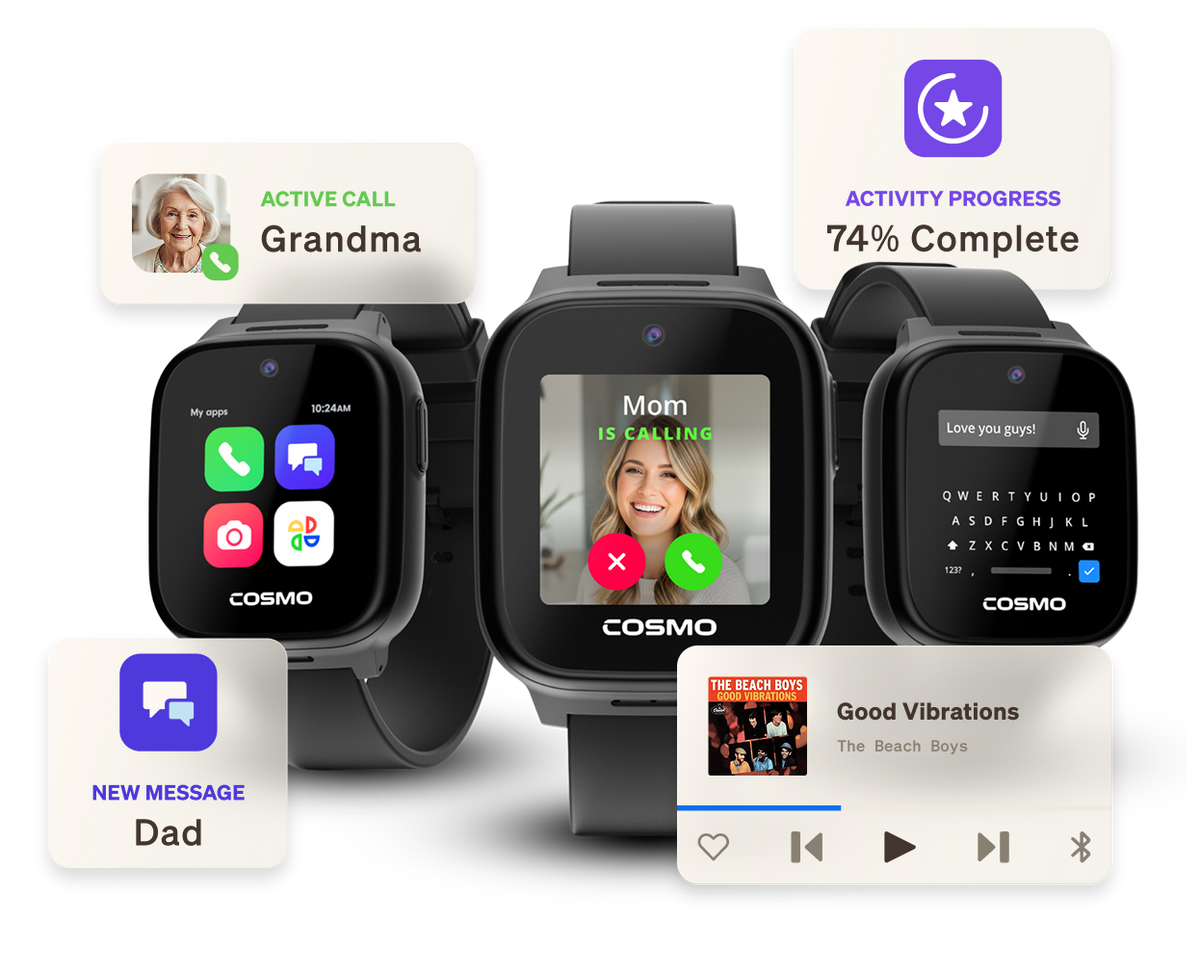
Modern enterprise smartwatches require seamless hardware-software integration. Standard parental control wearables rely on static time-based muting, which fails when school schedules shift, during sports practices, or on field trips.
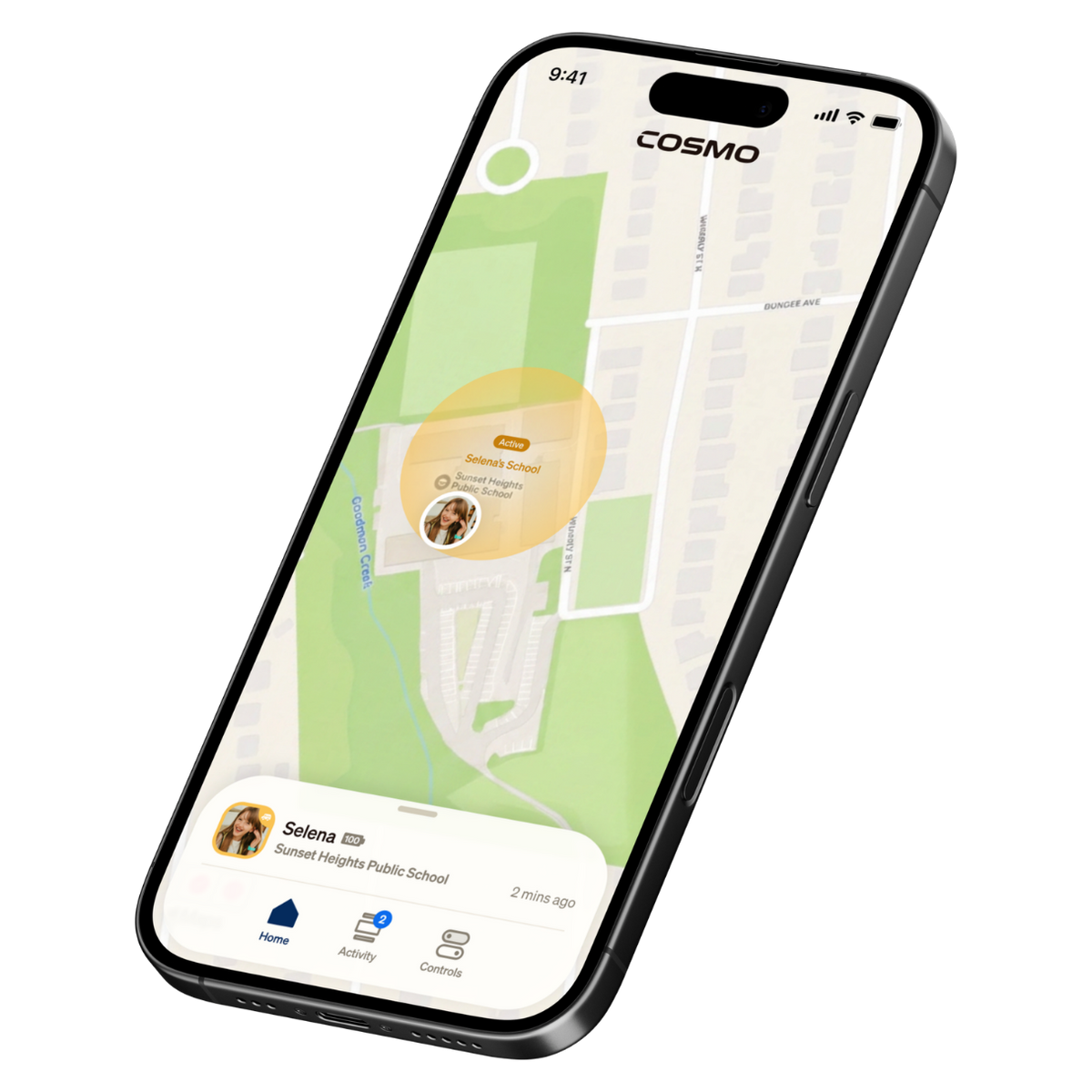
Advanced operating systems introduce School-Fi technology—a location-aware focus mode that detects campus geofence boundaries automatically. Non-essential features (games, camera, non-emergency voice calls) are silenced instantly upon entry, while background real-time GPS tracking and emergency SOS capabilities remain continuously active.
By removing social media apps, web browsers, and unapproved phone numbers entirely at the system level, the hardware delivers the communication reliability parents need without exposing children to screen addiction or digital risks.
What enterprise buyers must anticipate when planning multi-year smartwatch procurement cycles.
Physical nano-SIM trays represent the single largest failure point for water ingress and mechanical wear. Future OEM designs are shifting rapidly toward embedded SIM (eSIM) chips soldered directly onto the PCB. This eliminates external SIM slots entirely, creating a fully sealed enclosure while enabling remote carrier profile provisioning across global cellular networks (AT&T, T-Mobile, Vodafone, Telstra).
Traditional IPS panels require heavy backlight energy, degrading battery longevity during active 4G transmission. Next-generation waterproof models feature self-emissive AMOLED displays operating with localized pixel dimming. This reduces display power consumption by up to 35%, allowing 24+ hours of active mixed use even with background GPS reporting enabled.
Regulatory authorities in North America and Europe (FCC, CE, COPPA, GDPR) are imposing strict penalties on unencrypted wearable tracking data. Tier-1 exporters are implementing hardware-level AES-256 data encryption for location packets transmitted between device microcontrollers and regional AWS/Azure cloud infrastructure.
Waterproof sealing enables continuous, skin-tight contact necessary for accurate physiological monitoring. Modern B2B smartwatch platforms incorporate multi-channel optical heart rate and SpO2 sensors backed by movement-filtering algorithms that ignore motion artifacts during swimming or running.
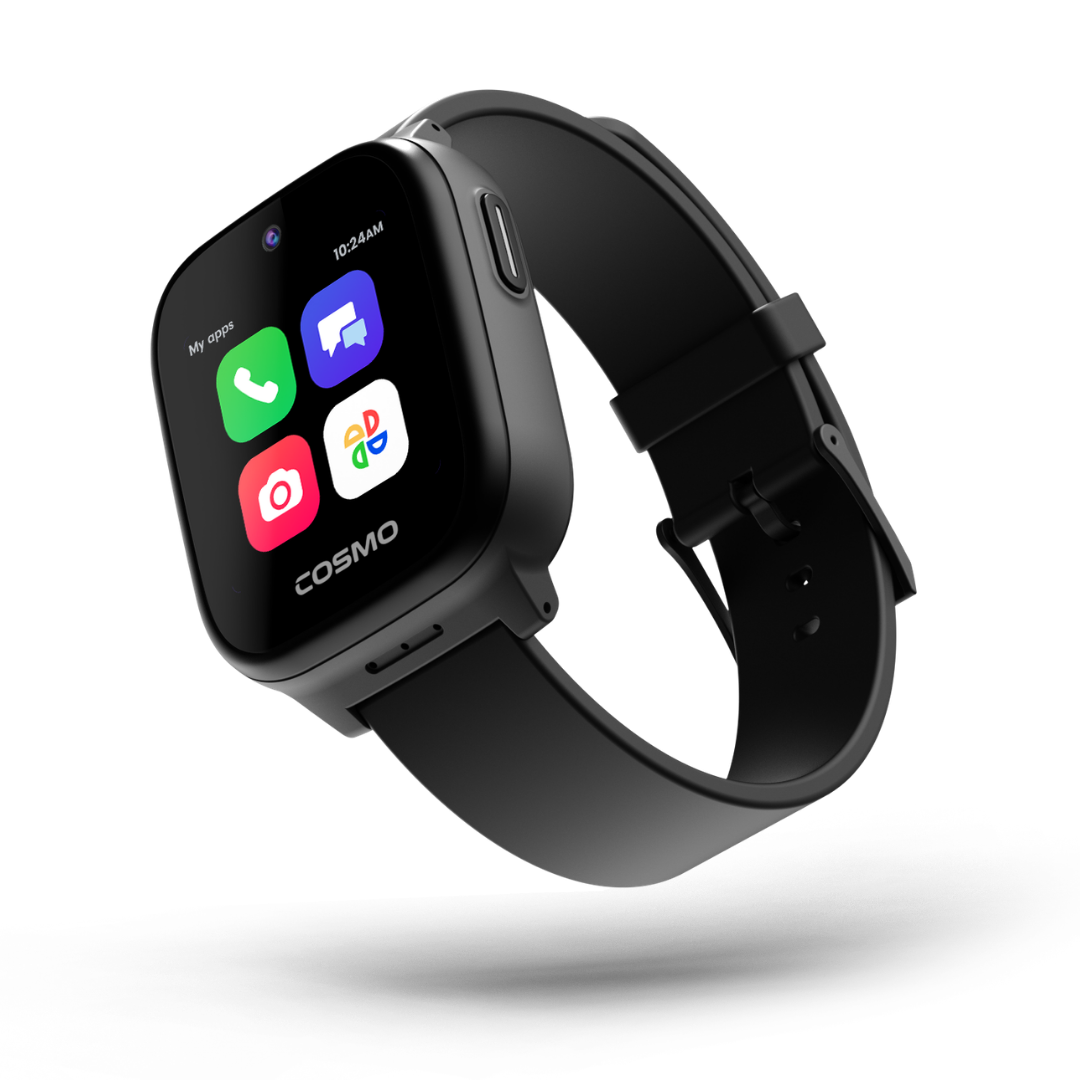
Headquartered in Denver, Colorado, with fully audited precision manufacturing partners, Cosmo Technologies, Inc. delivers a complete end-to-end wearable solution tailored for volume buyers, telecom carriers, educational institutions, and brand importers.
Addressing critical engineering, testing, and supply chain questions for B2B buyers.
Tier-1 exporters utilize a two-stage automated testing protocol. First, 100% of assembled watch housings undergo air pressure vacuum leak testing prior to mainboard insertion. This non-destructive test detects microscopic seal flaws in seconds. Second, fully assembled finished units undergo randomized hydro-static submersion testing in calibrated pressure chambers to verify IP68 compliance under real-world water column pressure.
A Bluetooth companion watch depends entirely on proximity (within ~10 meters) to a paired smartphone to route voice calls, messages, and internet data. A standalone 4G LTE smartwatch incorporates its own modem, SIM slot (or eSIM), RF power amplifier, and internal cellular antenna. It functions independently anywhere with cellular network coverage, allowing two-way voice calling, video streaming, and real-time GPS transmission without requiring a smartphone.
Water attenuates high-frequency radio waves significantly. When submerged, direct RF signal transmission (cellular and GPS) is blocked. However, high-quality manufacturers compensate for this by utilizing high-gain LDS (Laser Direct Structuring) antennas embedded inside the watch bezel. The moment the watch emerges from water, connection re-establishment occurs within 1.5 to 3 seconds via automated RF handshakes.
Standard white-label customization (custom software boot logos, custom packaging, and laser etching on standard housings) typically requires an MOQ of 500 to 1,000 units with a manufacturing lead time of 15–20 days. Full ODM projects requiring custom housing tooling, unique silicon molding, and custom PCB layout typically carry an MOQ of 3,000 to 5,000 units with a tooling-to-mass-production timeline of 45–60 days.
Battery longevity is optimized through intelligent sleep-wake firmware algorithms. Instead of leaving the cellular modem in continuous high-power transmission mode, the system utilizes dynamic reporting intervals (e.g., reporting location every 10 or 60 minutes when stationary, and accelerating frequency during detected motion via internal 3-axis accelerometers). Combined with 500–800mAh high-density pure cobalt lithium-polymer battery cells, devices deliver over 24 hours of reliable active operating time.
For North America: FCC Certification (covering Part 15 and SAR limits), PTCRB network certification for cellular carriers, and California Prop 65 compliance for skin-contact silicone bands. For Europe: CE-RED (Radio Equipment Directive), RoHS (restriction of hazardous substances), REACH compliance, and EN 62368-1 electrical safety certification.
Connect directly with our engineering and procurement sales team to receive comprehensive specification sheets, wholesale pricing matrices, and customization options for your market.
Get Catalog