Engineered to deliver zero-leakage guarantees, high pulse discharge rates, and exceptional thermal stability for quartz timepieces, medical wearables, smartwatches, and industrial IoT devices.
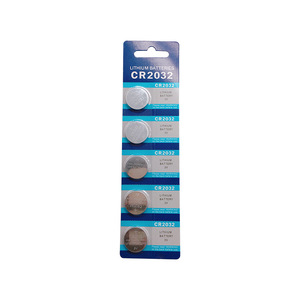
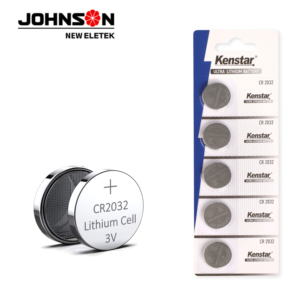
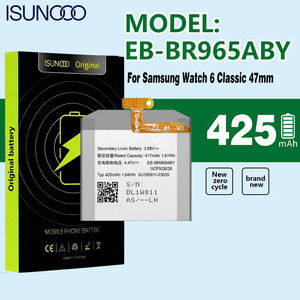
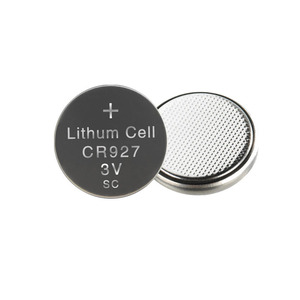
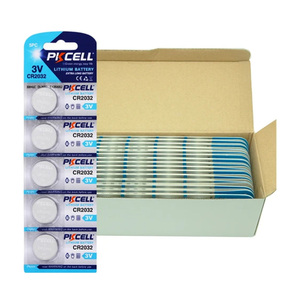
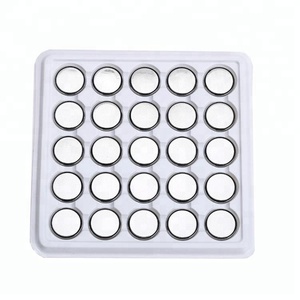
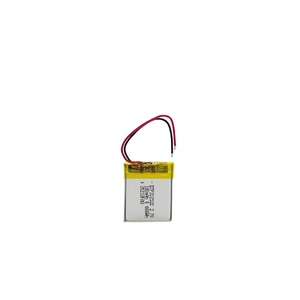
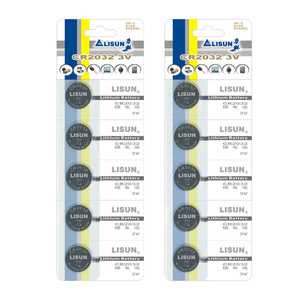
Selecting the optimal energy storage chemistry for luxury quartz watches, multi-functional digital chronographs, and next-generation smartwatches requires evaluating internal resistance, voltage flatlines, and pulse handling.
| Battery Chemistry Type | Nominal Voltage | Typical Capacity Range | Voltage Discharge Profile | Leak Resistance & Gasket Tech | Primary Industrial Applications |
|---|---|---|---|---|---|
| Silver Oxide (SR / Low Drain) | 1.55V | 15mAh – 120mAh | Extremely Flat (<1% drift) | Polyamide/Nylon Double-Lip Seal | Analog Quartz Watches, Swiss Chronographs |
| Silver Oxide (SR / High Drain) | 1.55V | 20mAh – 160mAh | Stable with High Pulse Support | Cross-linked Micro-porous Gasket | Digital Chronographs, Backlit LED Watches |
| Lithium Manganese (CR) | 3.0V | 25mAh – 600mAh | Sloped with High Voltage Floor | Organic Solvent Hermetic Seal | Smart Fitness Bands, Hybrid Watches, IoT |
| Rechargeable Lithium-Ion Pouch | 3.7V - 3.88V | 120mAh – 500mAh+ | Dynamic Active Power Curve | Aluminum-Laminated Polymer Layer | Standalone 4G Smartwatches, GPS Trackers |
| Zinc-Air (PR Series) | 1.4V - 1.45V | 90mAh – 600mAh | Flat Constant Oxygen Draw | Sealed Sticker Air-Hole Mechanism | Hearing Aid Watches, Micro Medical Sensors |
Electrolyte creep is the primary failure point in quartz watch movements. Premier OEMs utilize automated injection of liquid sealant alongside double-ribbed polypropylene gaskets to guarantee 10-year integrity.
Modern smartwatches demand peak current surges during cellular handshakes, GPS telemetry bursts, and optical sensor activations without triggering under-voltage lockouts (UVLO).
Lithium coin cells develop a passive lithium fluoride layer during storage, preventing self-discharge. Tier-1 automated production ensures this layer dissipates instantly upon load connection.
Benchmarking global industrial suppliers by production capacity, chemical purity standards, automated quality assurance, and OEM/ODM enterprise customizability.
| Rank | Manufacturer Name | HQ Location | Primary Product Strengths | Factory Compliance & Certs | Sourcing Action |
|---|---|---|---|---|---|
| 1 | Murata Manufacturing Co., Ltd. (Formerly Sony Cell Tech) | Japan | Micro Silver-Oxide, High Drain SR Series, Patent Leak Proof Tech | ISO 9001, ISO 14001, IATF 16949 | Get Catalog |
| 2 | Renata SA (Swatch Group Subsidiary) | Switzerland | Swiss-Made Precision Silver Oxide, 0% Mercury SR Cells | ISO 9001, RoHS Compliant, CE | Get Catalog |
| 3 | Maxell Corporation | Japan | CR Lithium Coin Cells, Micro Rechargeable LIR Series | ISO 9001, UN38.3, UL Listed | Get Catalog |
| 4 | Tianyu Bird / Precision Energy OEM Manufacturing | China | High-Volume OEM/ODM CR2032/CR2025, Custom Smartwatch Pouch Cells | CE, RoHS, UN38.3, MSDS, ISO 9001 | Get Catalog |
| 5 | Panasonic Energy Co., Ltd. | Japan | Primary Pin-Type Lithium, High-Temperature Coin Batteries | ISO 9001, ISO 14001, IEC 60086 | Get Catalog |
| 6 | Seiko Instruments Inc. (SII) | Japan | Capacitor-Type Rechargeable Micro Batteries (MS/TS Series) | ISO 9001, REACH, RoHS | Get Catalog |
| 7 | VARTA AG | Germany | CoinPower Micro Lithium-Ion Cells, Premium Button Cells | ISO 9001, IATF 16949, CE | Get Catalog |
| 8 | Energizer Holdings, Inc. | USA | Multi-Device Commercial Blister Packs, Zero-Mercury SR Cells | UL Listed, ISO 9001, ANSI C18 | Get Catalog |
| 9 | Rayovac (Energizer Brands) | USA | High-Volume Specialty Electronic Cells & Bulk Industrial Pack | ISO 9001, RoHS, UN38.3 | Get Catalog |
| 10 | Toshiba Battery Group | Japan | Lithium Manganese Button Batteries for Wearable Electronics | ISO 9001, ISO 14001, CE | Get Catalog |
While Swiss and Japanese legacy brands maintain dominance in high-end traditional quartz movements, tier-1 Chinese automated manufacturing lines (such as Precision OEM/Tianyu Bird plants) now deliver identical energy density metrics (240mAh+ on CR2032) at 40% lower unit procurement costs. This shift enables wearable technology brands and smartwatch OEMs to maximize profit margins while adhering strictly to CE, RoHS, and UN38.3 compliance.
Get CatalogThe convergence of IoT micro-sensors, standalone 4G/5G cellular smartwatches, and biometric health monitors is redefining the demands placed on button cell and micro-pouch factories.
Replacing liquid organic electrolytes with solid ceramic or polymer matrixes eliminates thermal runaway risks and electrolyte evaporation entirely. Solid-state coin cells will offer 30% higher volumetric energy density by 2027.
Next-generation quartz and micro-smartwatches integrate kinetic motion generators and ambient indoor light solar collectors. OEM batteries must withstand tens of thousands of micro-charge trickle cycles without capacity degradation.
Strict environmental mandates in the EU and North America are forcing factories to phase out fluorinated chemicals (PFAS) and heavy metal binders, replacing them with eco-friendly organic solvents and biodegradable separators.
Building on over a decade of technological innovation in personal safety wearables, smart hardware development, and battery management platforms, we provide end-to-end reliability.
Our automated quality control lines employ optical vision inspection and 100% automated internal impedance testing. We intercept over 1.8 million micro-defects annually before shipment.
Whether you require automated SMD tab welding (SMT mounts), custom blister card retail graphics, or anti-static industrial tray packing, our engineering team fulfills precise BOM requirements.
Every batch is accompanied by comprehensive MSDS reports, UN38.3 transport safety test clearance for air cargo, RoHS hazardous substance compliance, and CE/UL laboratory certifications.
Key answers to technical, logistical, and compliance questions asked by procurement officers and battery hardware engineers.
Silver-Oxide (SR) batteries operate at 1.55V and maintain an exceptionally flat voltage discharge profile, making them ideal for precise analog quartz movements. Primary Lithium (CR) cells operate at 3.0V, offer significantly higher energy density, and excel in high-drain, multi-functional digital timepieces, smart wearables, and wireless IoT devices.
Premier manufacturers utilize automated sealant dispensing (typically micro-coatings of asphalt sealant or synthetic rubber) combined with nylon-66 double-lipped seals. This creates a mechanical barrier against sodium hydroxide (NaOH) or potassium hydroxide (KOH) creepage under high-temperature storage conditions.
No. Low-drain (W-type) silver oxide cells are designed for low continuous microamp currents. Exposing a low-drain cell to high-pulse loads (such as LED backlights or alarm buzzers) causes rapid voltage drops, premature cut-offs, and accelerated internal degradation. High-drain (SW-type) cells must be specified for complex digital chronographs.
Bulk international transport of primary lithium cells (CR series) and lithium-ion pouch cells requires a valid UN38.3 test report (covering altitude, thermal, vibration, shock, external short circuit, and impact tests), a 1.2-meter drop test certification for outer packaging, an updated Material Safety Data Sheet (MSDS), and compliance with IATA/ICAO Dangerous Goods Regulations.
Tier-1 lithium CR coin cells feature a self-discharge rate of less than 1% per year at 20°C, providing up to a 10-year shelf life with over 90% capacity retention. High-quality silver oxide SR cells offer a 3 to 5-year shelf life under controlled storage conditions.
Pre-welded solder tabs (such as SMT/DIP pins in horizontal or vertical configurations) streamline automated PCB assembly for watchmakers and IoT manufacturers. Factory resistance-spot welding ensures micro-precision connection without imparting thermal shock to the battery seal, preserving full chemical capacity.
Connect with our technical engineering team to obtain complete product specification sheets, test reports, custom tab configurations, and wholesale pricing for high-volume manufacturing.
Get Catalog