Factory-direct standalone 4G LTE-M, NB-IoT, and Cat-1 position tracking devices engineered for child safety, elderly care, and asset tracking. Available for custom firmware flashing, logo branding, and cloud API integration.
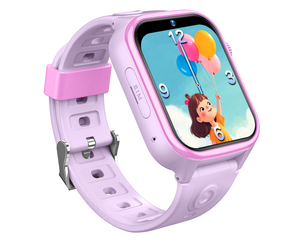
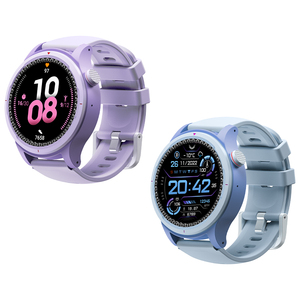

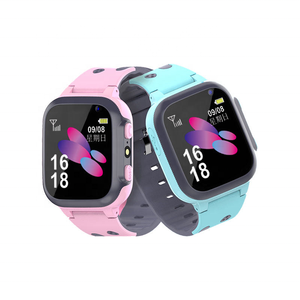
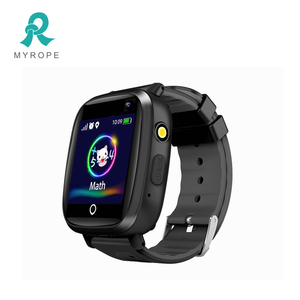
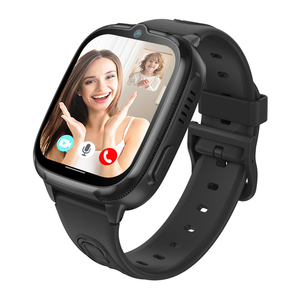
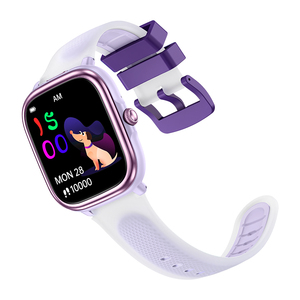
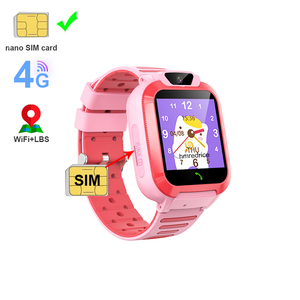
In the rapidly maturing Internet of Things (IoT) landscape, enterprise procurement officers, telecom carriers, and brand owners require far more than off-the-shelf consumer wearables. Designing and manufacturing high-performance position trackers demands rigorous hardware-firmware integration, low-power cellular chipset selection, and robust cloud API architecture.
As legacy 2G and 3G networks complete their global sunset across North America, Europe, and Asia-Pacific, OEM/ODM position tracker factories must transition architectures to standalone 4G LTE Cat-1, LTE-M (eMTC), and NB-IoT platforms. Our manufacturing infrastructure provides end-to-end white-label hardware engineering, from initial SMT PCB board layout to custom enclosure tooling and carrier certification.
Information Gain Insight: Modern position trackers rely on hybrid indoor-outdoor positioning algorithms (GPS/GLONASS/Galileo + Wi-Fi SSID Sniffing + LBS Cell-ID + MEMS Inertial Sensors) to eliminate location drift and maintain sub-5 meter accuracy while conserving lithium battery life.
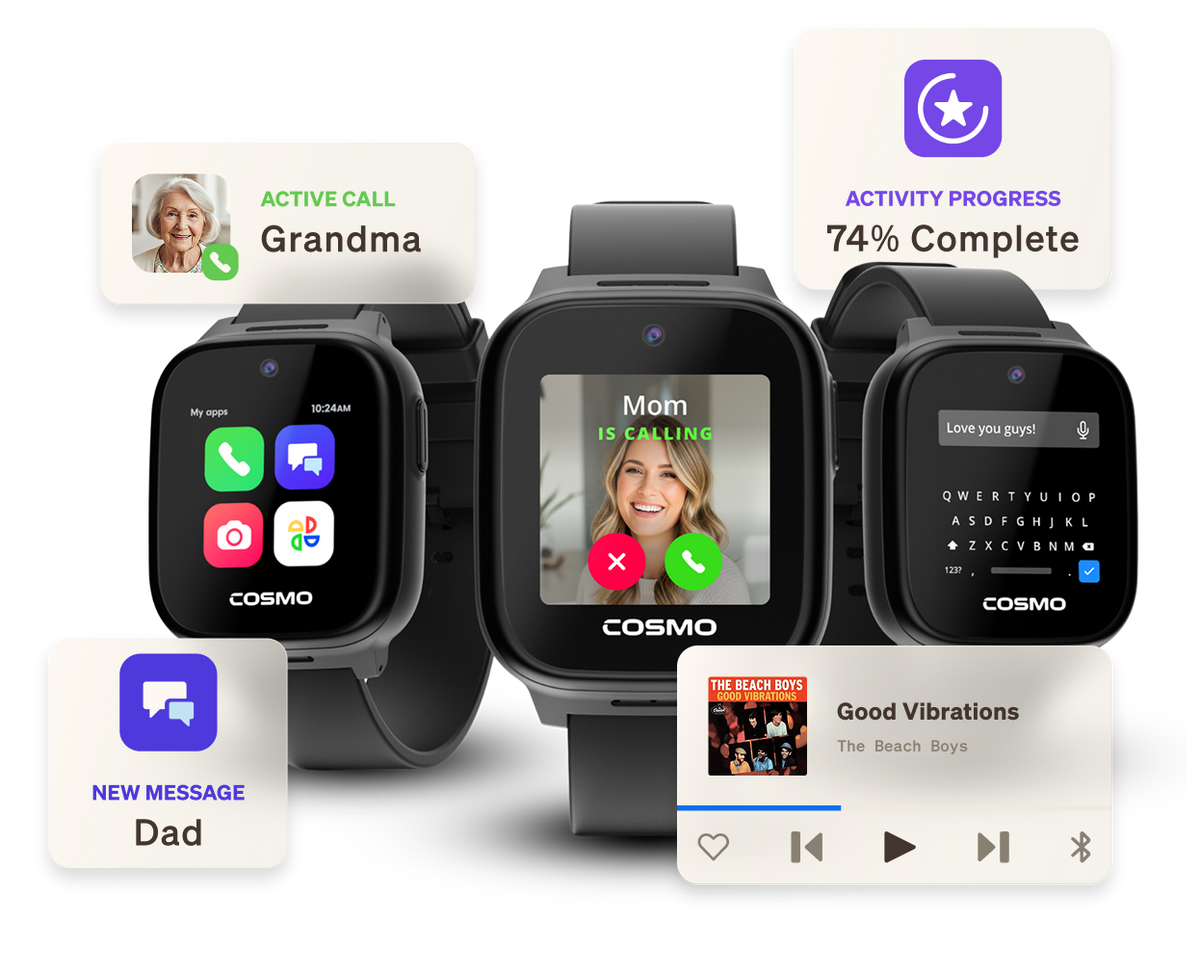
Our ISO9001-certified OEM/ODM manufacturing facility operates automated SMT assembly lines capable of mass-producing millions of connected location units annually under strict quality control protocols.
Hardware buyers and product managers must align their manufacturing pipelines with emerging regulatory, network, and firmware developments to secure market leadership and prevent inventory obsolescence.
Traditional nano-SIM trays present mechanical failure points and waterproofing challenges. Enterprise buyers are shifting to soldered eSIM (MFF2) chipsets pre-loaded with multi-carrier bootstrap profiles (AT&T, T-Mobile, Vodafone, Telefonica) to streamline worldwide deployment and enhance IP68 seal integrity.
Next-generation position trackers utilize GNSS engines integrated with eDRX (Extended Discontinuous Reception) and PSM (Power Saving Mode) protocol stacks. By intelligently adjusting telemetry ping intervals via 3-axis accelerometer motion detection, standby battery longevity expands from days to weeks.
Global regulatory bodies enforcing COPPA (USA), GDPR (EU), and CCPA stringently inspect connected devices for children and vulnerable assets. Future procurement requires encrypted hardware root-of-trust chips, TLS 1.3 payload transmission, and firmware that strictly bans unapproved third-party tracking apps.
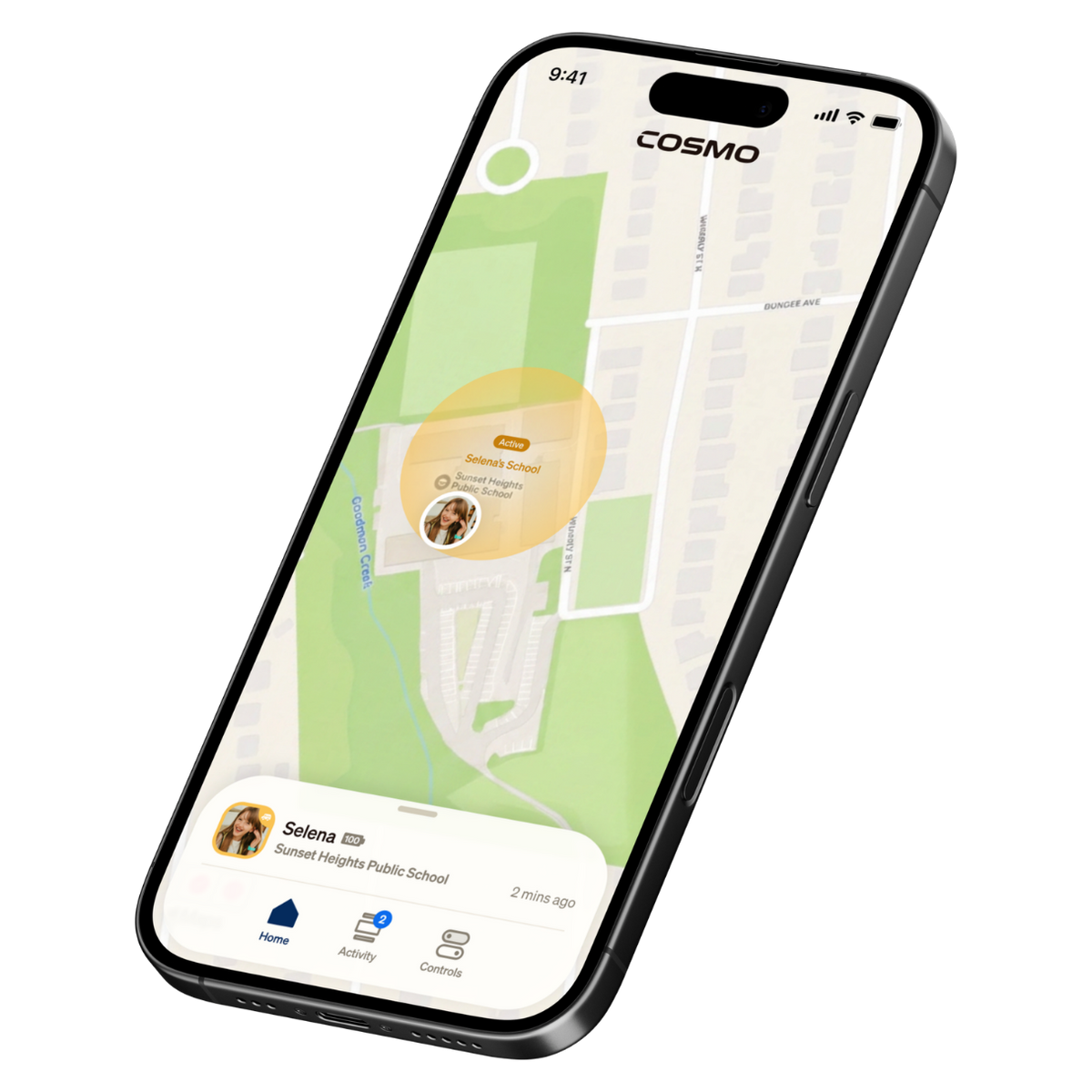
The core value of an ODM position tracker lies in its underlying PCB topology and embedded software stack. Our factory engineers customized hardware modules around market-leading chipsets (ASR, Qualcomm, MediaTek) to ensure bulletproof positioning accuracy across diverse urban canyons and indoor facilities.
Reference parameters available for client customization. Hardware modules can be tailored according to specific regional cellular frequency bands and form factor requirements.
| Engineering Parameter | Standard Baseline Specification | OEM/ODM Customization Options |
|---|---|---|
| Cellular Baseband | 4G LTE Cat-1 / Cat-M1 / NB-IoT (Global Band Support) | Custom band locking (B1/B2/B3/B4/B5/B7/B8/B12/B13/B20/B28/B66) |
| GNSS Positioning Engine | Multi-Constellation (GPS + GLONASS + Galileo + BeiDou) | Dual-frequency L1+L5 module upgrades, AGPS payload optimization |
| Indoor Positioning | Wi-Fi Mac Address Sniffing + LBS Cell Tower Triangulation | BLE 5.2 Beacon scanning, Inertial Sensor Dead Reckoning (DR) |
| Display Panel | 1.3" to 1.83" HD IPS Touch Screen / AMOLED Option | Custom glass cover lens shape, silk-screen brand logo printing |
| Battery & Power | 500mAh – 900mAh High-Density Li-Po (24h–72h Active Operation) | Extended capacity batteries, ultra-low power firmware profiling |
| Ingress Protection | IP67 / IP68 Waterproof (Dustproof & Submersible) | Custom rubber gaskets, ultrasonic housing assembly line sealing |
| Sensors & Peripherals | 3-Axis G-Sensor, Heart Rate PPG, Hardcoded SOS Button | Temperature sensor, optical wear detection, speaker/microphone units |
| Firmware & OS | RTOS / Embedded Android with Firewall Contact Whitelist | Custom UI theme, launcher lock, branded boot animation, API hooks |
| Certifications | CE, FCC, RoHS, REACH Baseline Compliance Ready | PTCRB, AT&T, T-Mobile, Anatel, Telec specific carrier approvals |
From prototype design to high-volume production, our turnkey manufacturing infrastructure empowers global brands, telecommunications carriers, and software platforms to launch reliable position trackers to market faster.
Integrated hardware circuit design, PCB layout engineering, RF antenna tuning, and automated high-speed SMT surface mounting under one roof.
Complete iOS and Android parent/admin control app source code SDKs ready for branding, server migration, and private cloud deployment.
Every unit undergoes 100% automated RF chamber testing, waterproofing pressure tests, thermal chamber aging, and drop simulation before packing.
Pre-validated cellular configurations for major global network operators, accelerating PTCRB, FCC, and CE certification approval timelines.
Common inquiries from hardware procurement managers, OEM brand owners, and system integrators.
Our standard MOQ for customized silk-screen branding and custom packaging on existing tooling is 1,000 units. For full ODM hardware projects—including custom industrial design (ID), plastic injection mold tooling, and bespoke PCB layout engineering—our baseline MOQ starts at 3,000 to 5,000 units depending on component specification.
Yes, absolutely. All our position trackers support standardized communication protocols (HTTP/HTTPS, MQTT, TCP/UDP sockets). We provide complete API documentation, payload parsing tables, and SDKs, enabling your backend engineering team to point device telemetry directly to your private AWS, Azure, or self-hosted cloud servers.
Our core hardware modules utilize pre-certified baseband chipsets (FCC, CE, PTCRB, RoHS compliant). When client projects require full-device carrier approval (e.g., AT&T or T-Mobile certification in North America), our dedicated compliance engineering team manages laboratory testing, paperwork, and RF adjustments to guarantee certification approval.
Our in-house embedded software engineers can customize device boot screens, UI icon themes, contact firewall logic, geo-fence alert rules, SOS call sequences, and sensor reporting schedules. We can also remove non-essential features (such as games or media apps) to ensure devices strictly adhere to school or workplace policies.
For standard OEM orders using existing tooling, production lead time is approximately 20 to 30 business days following sample sign-off. For complete ODM custom mold projects, the typical timeline is 45 to 60 days, covering industrial design, 3D golden sample prototyping, mold tooling, SMT trials, and mass assembly.
Request our full product specification catalog, factory audit documentation, and engineering pricing guide today. Our hardware engineering team is ready to review your project requirements.
