Production-ready reference designs fully customizable for branding, white-label firmware, PCB layouts, sensor arrays, and cellular band configurations.
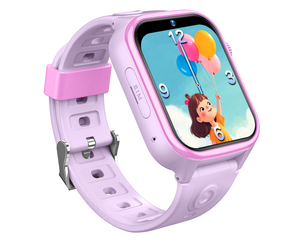
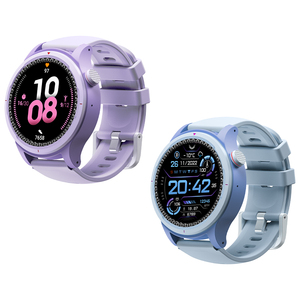
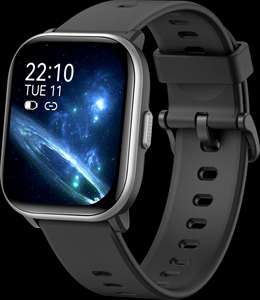
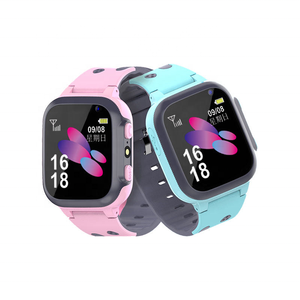
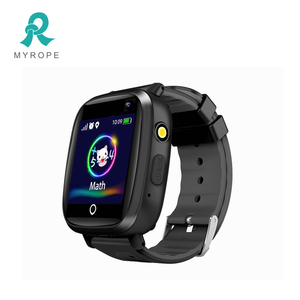
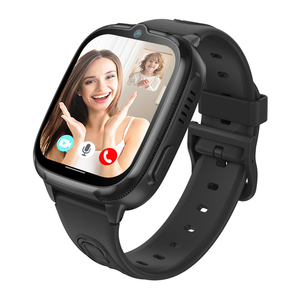
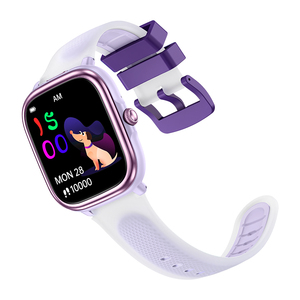
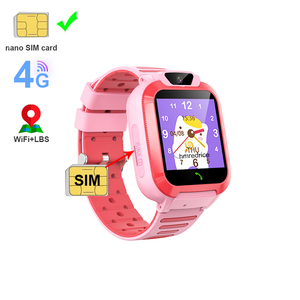
As global demand for IoT wearables, child safety trackers, and specialized healthcare bands accelerates, choosing a trusted Custom OEM Smart Bracelet Factory & Supplier has evolved into a strategic hardware decisions for global brands, telecom MVNOs, enterprise security providers, and consumer electronics distributors. Today’s procurement managers look beyond basic contract manufacturing—they demand comprehensive design-to-mass-production capabilities, including SMT (Surface Mount Technology) assembly, RF antenna engineering, custom kernel programming, and end-to-end cloud server integration.
Building high-reliability wearables requires tight integration across four critical layers:
1. Mainboard & PCBA Architecture: Utilizing low-power microcontrollers (MCUs) paired with ultra-compact 4G LTE-M / NB-IoT modules and GNSS chipset configurations (supporting GPS, GLONASS, Galileo, and Beidou). SMT assembly must maintain zero-tolerance tolerances to resist physical shock and environmental exposure.
2. Biometric & Environmental Sensing Arrays: Integration of multi-wavelength photoplethysmography (PPG) sensors for continuous continuous heart rate monitoring, SpO2 blood oxygen estimation, and 6-axis accelerometer/gyroscope ICs for step detection and fall detection triggers.
3. Firmware & OS Customization: Native RTOS or streamlined Android OS custom ROM development. OEM firmware capabilities include custom boot screen logo integration, proprietary UI skinning, closed contact allow-list firewall enforcement, and geo-fenced Focus Modes (such as campus-aware "School-Fi").
4. Enclosure Materials & Ergonomics: Micro-injection molded PC+ABS casings, medical-grade hypoallergenic TPU or food-grade silicone straps, chemically hardened 2.5D glass, and ultrasonic sealing for IP67/IP68 ingress defense.
Founded with engineering roots headquartered in Denver, Colorado and backed by state-of-the-art overseas automated manufacturing facilities, our production ecosystem balances North American quality control standards with high-volume cost efficiency. We specialize in contract manufacturing and OEM/ODM engineering for smart watches, child trackers, and specialized wristbands.
Our OEM partners receive dedicated engineering support from initial ID (Industrial Design) rendering and MD (Mechanical Design) mockups to tooling production, SMT mounting, RF testing, and white-label mobile application delivery (iOS & Android Mission Control frameworks).
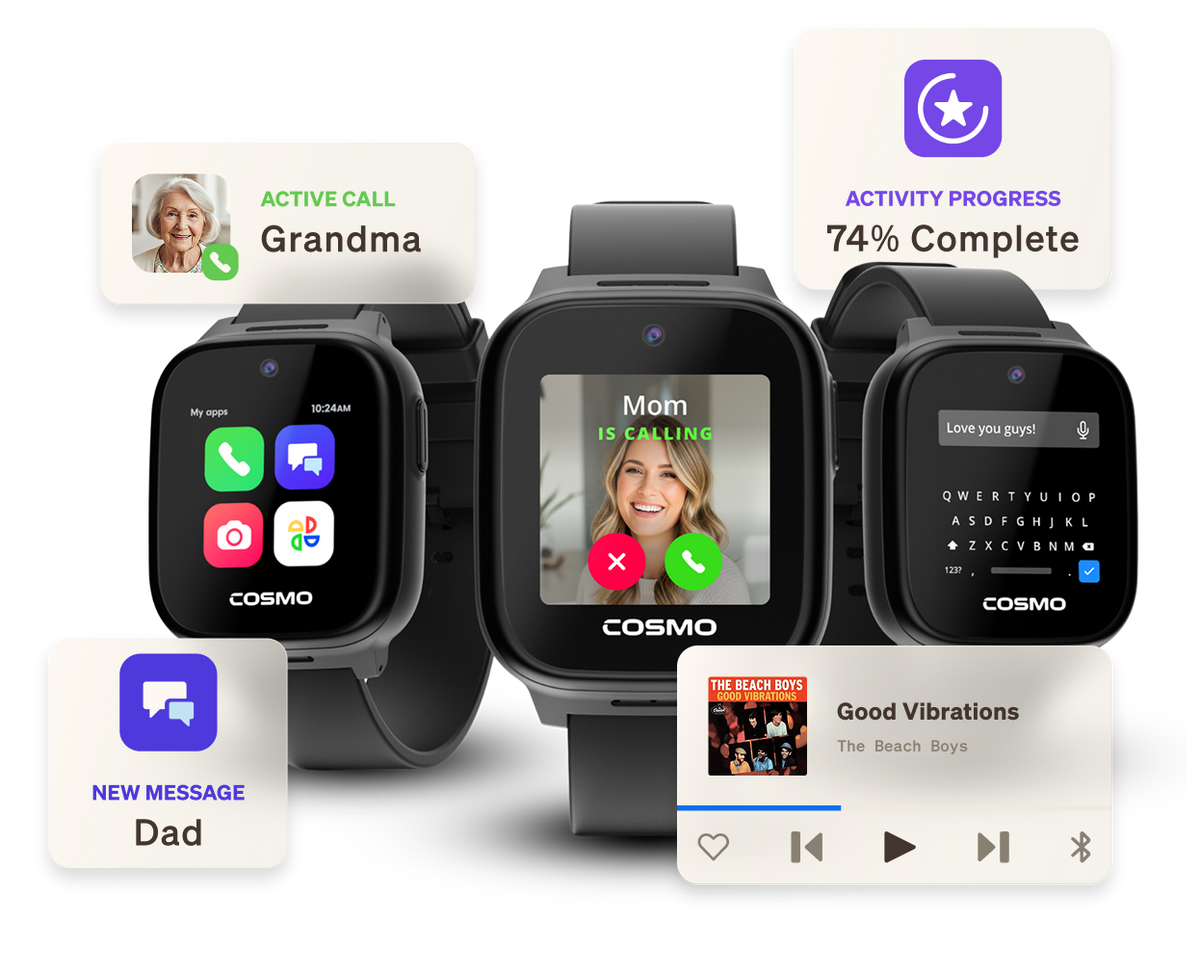
Full-custom tooling design, structural engineering, PCBA layout modification, custom colorway pantones, and laser-engraved brand logos.
Zero-social-media, zero-browser security firmware options designed for institutional compliance, classroom focus, and privacy regulation adherence (COPPA / GDPR).
Pre-tested antenna designs tuned for North American (AT&T, T-Mobile, Verizon compatible), European, and Asia-Pacific LTE frequency bands.
As corporate purchasing managers, brand strategists, and government safety agencies plan their multi-year hardware product roadmaps, several pivotal trends are reshaping how smart bracelets and IoT wearables are designed, manufactured, and deployed.
Legacy Bluetooth-only fitness trackers are experiencing market saturation. Sourcing data shows rapid adoption shifting toward standalone cellular devices equipped with eSIM (embedded SIM) or nano-SIM interfaces. Standardized 5G RedCap (Reduced Capability) chipsets are set to drastically decrease module dimensions and power draw, enabling sleek smart bracelets to make voice calls, send SOS telemetry, and transmit biometrics without needing a smartphone nearby.
Procurement for educational institutions and child safety programs centers around focus-preserving hardware. Traditional schedule-based silent timers fail when school timetables shift. The emerging industry benchmark relies on dynamic geo-fenced campus focus protocols (often designated as School-Fi). Upon entering designated GPS/Wi-Fi boundary polygons, smart bracelets automatically throttle non-essential visual interfaces while leaving background emergency SOS and parent tracking pipelines operational.
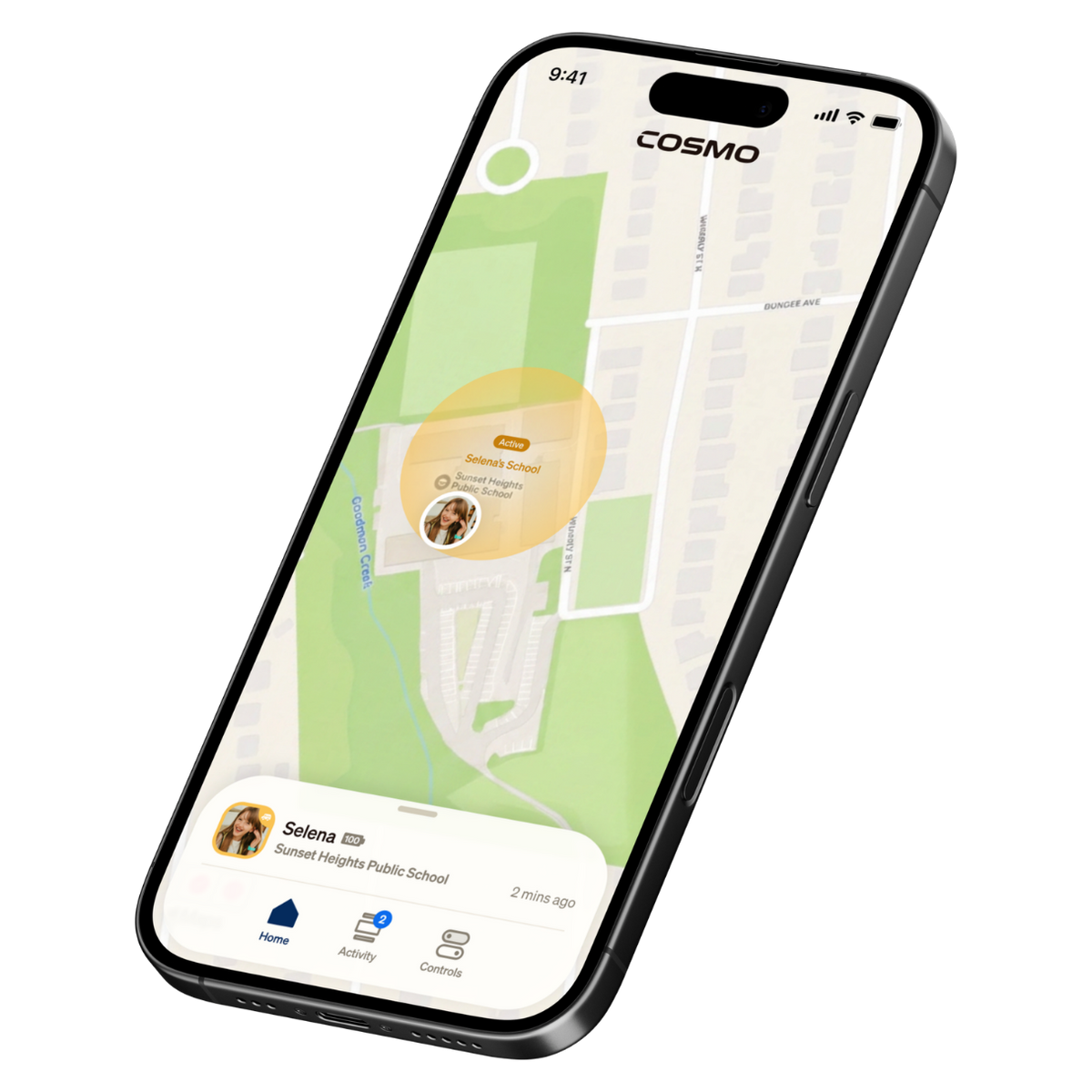
Enterprise clients and parents demand robust protection against spam calling, spoofed numbers, and unverified contacts. OEM manufacturers must build carrier-level whitelist firewalls directly into the device kernel. Any phone number not authorized within the administrative parent management application is rejected before the RF module rings, guarding the wearer against external threats.
Furthermore, removing open web browsers and uncurated third-party app stores directly addresses growing global regulatory pushback regarding digital screen addiction among youth and workplace distraction in commercial settings.
B2B healthcare procurement is driving demand for medical-grade sensors in consumer-friendly wristband form factors. Optical PPG sensors are evolving to include optical blood glucose trends, continuous skin temperature monitoring, ECG waveform analysis, and arterial stiffness estimation—opening new revenue avenues for insurance providers, remote patient monitoring (RPM) platforms, and corporate wellness initiatives.
To retain competitive market differentiation, OEM smart bracelet engineering teams are prioritizing low-power displays, enhanced thermal dissipation, micro-BMS efficiency, and sustainable casing materials.
Display screens account for a significant portion of wearable power consumption. OEM suppliers now offer dual display architectural choices based on target application:
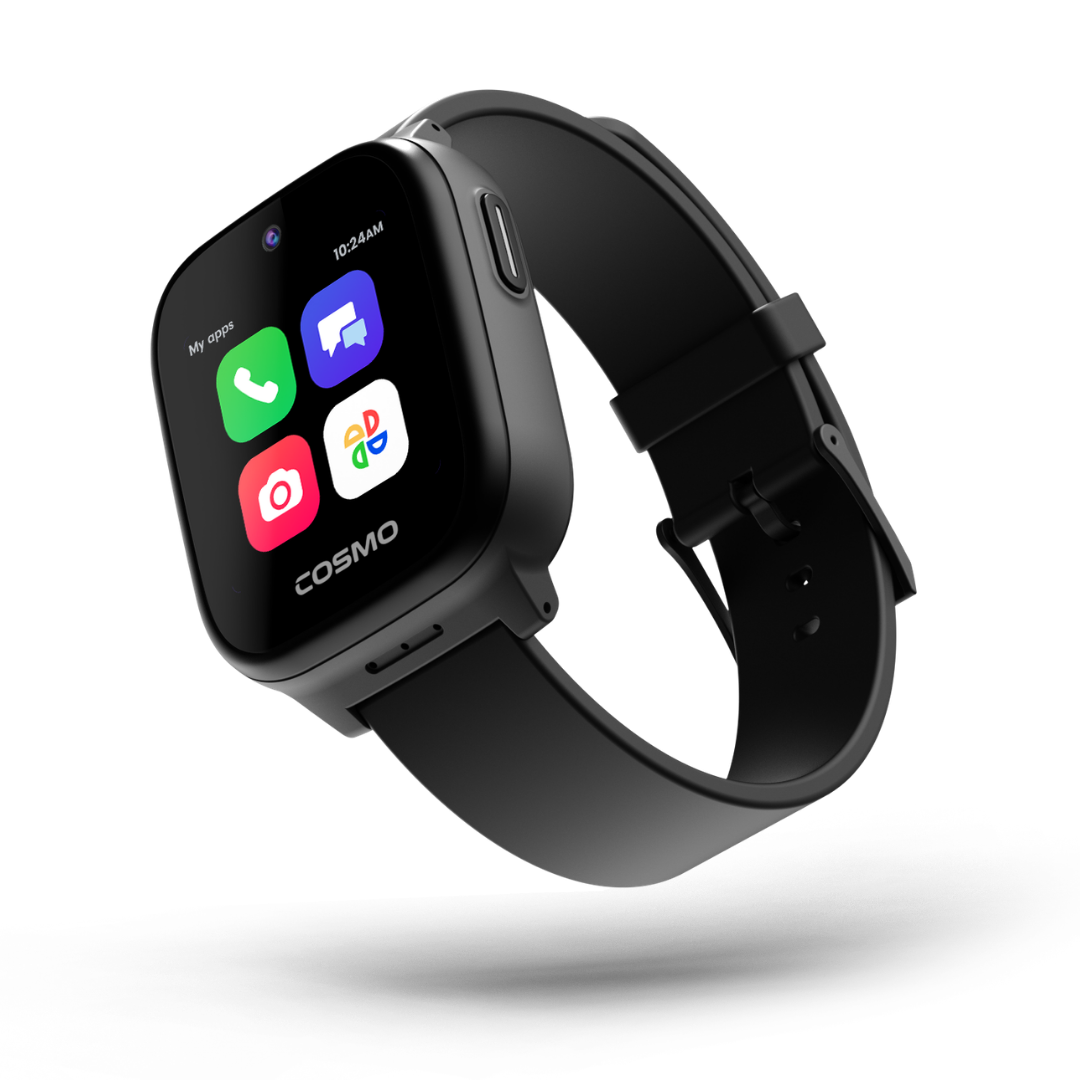
Modern smart bracelets utilize custom-shaped Lithium-Polymer (Li-Po) cells equipped with high-precision Battery Management System (BMS) ICs. Features include dynamic voltage regulation, overcharge protection, deep-sleep standby currents under 15uA, and magnetic quick-snap pogo-pin connectors that eliminate open USB ports to maintain IP68 submersion integrity.
Use this evaluation matrix to compare standard OEM capabilities against fully custom ODM development for smart bracelet procurement:
| Feature Parameter | Standard OEM White-Label | Full Custom ODM Hardware | Institutional / Commercial Specs |
|---|---|---|---|
| Minimum Order Quantity (MOQ) | 500 - 1,000 Units | 3,000 - 5,000 Units | 1,000 Units |
| Industrial Design (ID) & Shell | Existing Mold + Custom Color/Logo | 100% Proprietary Plastic/Metal Mold | Reinforced IP68 Anti-Tamper Enclosure |
| Cellular Connectivity | Pre-certified 4G LTE Bands (B2/B4/B12/B66) | Custom Frequency Band Matching | eSIM / Multi-Carrier Profile Support |
| Firmware & UI | Logo Splash + Preset Language Pack | Custom Kernel OS + Bespoke UI Flow | Locked Focus OS (No Apps/Browser) |
| Mobile App Integration | Standard Mission Control App Branding | Custom SDK / API Enterprise Bridge | Private Cloud Dedicated Server Deployment |
| Compliance & Certification | CE, RoHS, FCC Standard Reports | Full Carrier Testing (PTCRB/GCF) | SAR Safety & COPPA Data Compliance |
Essential answers for procurement directors, hardware product managers, and brand owners seeking to manufacture custom smart bracelets and wristbands.
Whether you need standard white-label production or bespoke hardware engineering, our Denver R&D team and automated factory assembly lines are ready to bring your smart bracelet project to life.
