Choosing a Kids Smart Watch is not simply about counting features. Parents need dependable location tools, clear calling functions, durable materials, and sensible data protection. Manufacturers must also consider battery life, screen readability, emergency contacts, and the child’s daily routine. A bright watch may attract attention, but a weak battery can fail during a school pickup.
Ramon T. Llamas, a wearable technology analyst at IDC, once said, “Wearables are becoming more than just accessories; they’re becoming an integral part of our lives.” That observation helps frame this comparison. The leading Kids Smart Watch manufacturers are not judged only by sales volume. Their engineering choices matter. So do software updates, customer support, testing practices, and transparency about collected data.
This introduction to the Top 10 Kids Smart Watch Manufacturers Worldwide examines companies from a practical, evidence-based perspective. It considers product design, GPS accuracy, communication quality, water resistance, parental controls, and long-term reliability. Independent reviews and user experiences also deserve attention. Marketing claims can look impressive.
Real life is less polished.
A watch may lose signal in a crowded shopping center. A strap may irritate sensitive skin. An app may confuse grandparents who provide daily care. These details reveal weaknesses that product pages often hide. No manufacturer is perfect, and rankings can change as technology, pricing, and support policies evolve. Readers should still check regional compatibility, warranty terms, privacy policies, and current product specifications before purchasing. This guide aims to support careful decisions, not replace them.
Definition and Role of Kids Smart Watch Manufacturers
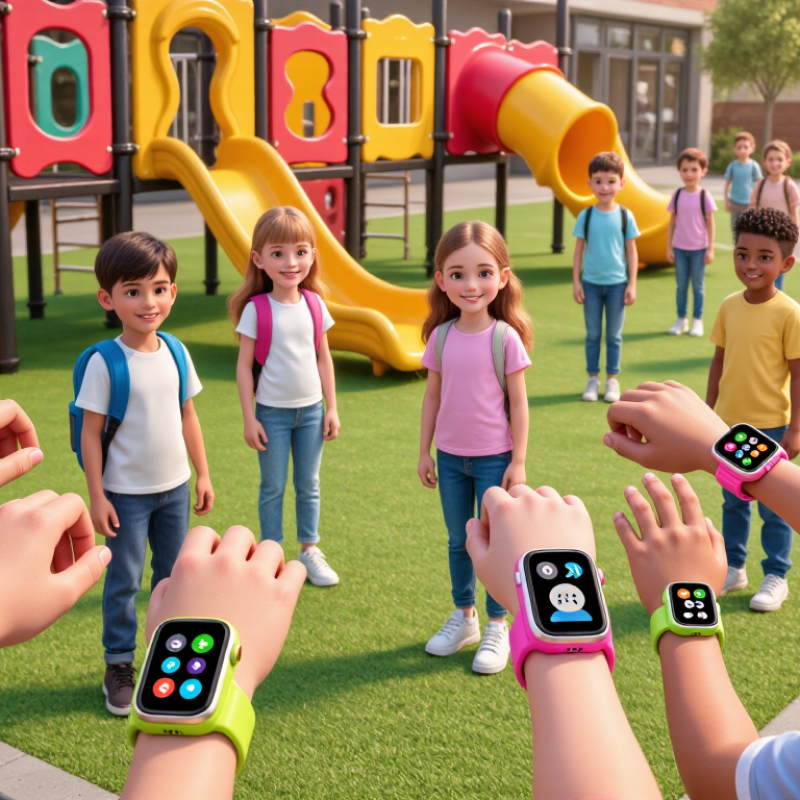
Kids smart watch manufacturers are companies that design, engineer, test, and produce wearable devices for children. Their work extends beyond placing electronics inside a small case. A responsible manufacturer studies wrist comfort, screen readability, battery performance, location accuracy, and emergency communication. It also considers how a child will use the watch during school, outdoor play, or a crowded family trip.
Safety begins with physical details. Rounded edges, secure straps, controlled materials, and water resistance can reduce everyday risks. Software matters just as much. Manufacturers should build clear permission controls, limited data collection, secure account access, and understandable parental settings. Independent testing and traceable quality checks strengthen trust. Documentation should explain battery limits, charging behavior, network dependence, and recommended age ranges in plain language. Small details matter.
Manufacturers also shape long-term reliability. They select suppliers, monitor production batches, provide firmware updates, and support repairs or replacements. A useful location feature may still fail inside a concrete building or during weak network coverage. That limitation deserves honest disclosure. Parents can overestimate technology, too. A watch should support communication, not replace supervision or judgment. Manufacturers need feedback from families, educators, and safety specialists, then revise designs when real use exposes flaws. Even a carefully tested device can have imperfect battery estimates or confusing alerts.
Top 10 Kids Smart Watch Manufacturers Worldwide: Definition and Role
This chart presents the ten core responsibility areas commonly covered by kids smart watch manufacturers. The values represent the number of primary activities included in each role, rather than company rankings, market share, sales, or brand performance.
Key Criteria for Comparing Global Kids Smart Watch Makers
Top 10 Kids Smart Watch Manufacturers Worldwide
Comparing global kids smart watch makers requires more than counting features. A reliable manufacturer should explain how its GPS performs near tall buildings, inside schools, and during outdoor trips. Independent testing matters because location screens can look precise while showing a child two streets away. Ask for documented results, not polished claims.
Battery performance deserves practical testing. A watch promising several days may last only one day with frequent location updates and voice messages. Manufacturers should publish battery conditions, charging times, and replacement options. Water resistance should include clear limits, such as shallow splashes rather than swimming. Check whether the strap feels secure, the buttons suit small fingers, and the screen remains readable in sunlight.
Privacy and safety require equal attention. Compare data encryption, account controls, retention periods, and deletion procedures. Emergency calling should work through supported local networks and avoid accidental activation. Firmware updates should be regular and clearly explained. Customer service also reveals experience: responsive support, repair access, and manuals in local languages build trust. Certification records can support reliability, but certificates alone are not enough. Parents should test the app, notification delay, and geofence accuracy before daily use. No manufacturer performs perfectly across every region. That is worth admitting. Claims can change after launch, and real homes are messier than laboratories.
Top 10 Kids Smart Watch Manufacturers Worldwide - Key Criteria for Comparing Global Kids Smart Watch Makers
| Rank |
Anonymous Manufacturer |
Primary Production Region |
Typical Annual Capacity |
Cellular Connectivity |
Location Technologies |
Water Resistance |
Typical Battery Runtime |
Safety & Compliance Support |
OEM/ODM Capability |
Quality Management |
Best-Fit Buyer |
| 1 |
Manufacturer Profile 01 |
East Asia |
1–3 million units |
4G LTE |
GPS, Wi-Fi, cellular positioning |
IP67–IP68 |
2–5 days |
CE, FCC, RoHS support |
Full customization |
ISO 9001-based processes |
Global distributors |
| 2 |
Manufacturer Profile 02 |
East Asia |
500,000–1 million units |
4G LTE |
GPS, Wi-Fi, LBS |
IP67 |
2–4 days |
CE, FCC, UKCA support |
Full customization |
AQL inspection available |
Private-label brands |
| 3 |
Manufacturer Profile 03 |
East Asia |
300,000–800,000 units |
4G LTE and 2G fallback |
GPS, Wi-Fi, LBS |
IP67 |
2–4 days |
CE, FCC, RoHS support |
Moderate to high |
Incoming and final inspection |
Cost-sensitive buyers |
| 4 |
Manufacturer Profile 04 |
Southeast Asia |
200,000–600,000 units |
4G LTE |
GPS, cellular positioning |
IP67 |
2–3 days |
CE and regional testing support |
Case and software options |
Documented QC checkpoints |
Regional wholesalers |
| 5 |
Manufacturer Profile 05 |
East Asia |
100,000–400,000 units |
4G LTE |
GPS, Wi-Fi, LBS |
IP68 option |
3–5 days |
CE, FCC, RoHS support |
Full customization |
Reliability testing available |
Premium private label |
| 6 |
Manufacturer Profile 06 |
South Asia |
50,000–250,000 units |
4G LTE and 2G fallback |
GPS and LBS |
IP67 |
2–4 days |
Regional certification support |
Limited customization |
Batch inspection |
Domestic retailers |
| 7 |
Manufacturer Profile 07 |
East Asia |
80,000–200,000 units |
4G LTE |
GPS, Wi-Fi, LBS |
IP67 |
2–4 days |
CE and FCC documentation |
Software and packaging |
Functional and aging tests |
Online sellers |
| 8 |
Manufacturer Profile 08 |
Southeast Asia |
50,000–150,000 units |
4G LTE |
GPS and cellular positioning |
IP67 |
2–3 days |
CE support; market-dependent testing |
Basic customization |
Supplier and final inspection |
Small and medium importers |
| 9 |
Manufacturer Profile 09 |
East Asia |
30,000–120,000 units |
4G LTE |
GPS, Wi-Fi, LBS |
IP67 |
3–5 days |
CE, FCC, RoHS support |
Hardware and app customization |
Pilot-run validation |
Technology startups |
| 10 |
Manufacturer Profile 10 |
Multiple Asian Production Sites |
20,000–100,000 units |
4G LTE and 2G fallback |
GPS and LBS |
IP67 |
2–4 days |
Basic regional compliance support |
Packaging and color options |
Pre-shipment inspection |
Test-order buyers |
Note: The manufacturers are intentionally anonymized. Capacity, connectivity, protection ratings, battery life, and compliance support are representative comparison ranges for global kids smart watch production and should be verified against current factory documentation before procurement.
Leading Kids Smart Watch Manufacturers by Region and Specialty
Top 10 Kids Smart Watch Manufacturers Worldwide
Leading Kids Smart Watch Manufacturers by Region and Specialty
The global kids’ smartwatch field is expanding beyond simple location tracking. Grand View Research estimates that the global smartwatch market will continue growing strongly through 2030, supported by health features, mobile connectivity, and family safety tools. IDC’s wearable device research also shows sustained demand for wrist-worn devices, although children’s products remain a smaller, less transparent segment. Market rankings should therefore be treated carefully.
A practical top-ten shortlist includes manufacturers from East Asia, Europe, North America, and emerging Southeast Asian production centers. East Asian companies often lead in compact hardware, GPS accuracy, colorful displays, and high-volume manufacturing. European specialists usually emphasize privacy controls, durable materials, and compliance documentation. North American developers tend to focus on subscription services, parental dashboards, and cellular communication. Southeast Asian suppliers are gaining attention for flexible production and lower-cost models.
Specialization separates these manufacturers more clearly than geography. Some build entry-level watches with emergency calling and school-mode controls. Others develop premium devices with water resistance, heart-rate sensors, geofencing, and replaceable straps. Counterpoint Research has reported continued growth in connected wearable shipments, but children’s usage data remains limited. That gap matters. A bright screen is easy to measure; real-world battery life at school is not. Buyers should test GPS performance indoors, review data policies, and compare repair support. Even strong manufacturers can overstate accuracy. The industry still needs more independent testing.
Product Features, Safety Standards, and Family-Focused Technologies
Top 10 Kids Smart Watch Manufacturers Worldwide: Product Features, Safety Standards, and Family-Focused Technologies
The leading kids smart watch manufacturers now compete on safety, not only colorful design. IDC’s Worldwide Quarterly Wearable Device Tracker reported over 500 million wearable shipments globally in 2023. This scale increases pressure for dependable child-focused engineering.
Useful features include:
- GPS location sharing
- Approved-contact lists
- Geofencing
- SOS alerts
- School-time controls
Parents should also check whether location data is encrypted and automatically deleted after a defined period. Support for recognized frameworks, such as ETSI EN 303 645 and ISO/IEC 27001, shows stronger attention to cybersecurity. It does not guarantee perfect protection.
Independent testing matters. TÜV Rheinland and other testing bodies commonly assess radio safety, battery performance, and chemical restrictions. Manufacturers should clearly document applicable requirements, including regional privacy rules for children.
A reliable watch needs:
- A secure strap
- Audible alerts
- Water resistance
- A battery that survives a full school day
The family experience is equally important. Setup should take minutes, not an afternoon. Yet some interfaces still confuse adults, and location accuracy can weaken indoors. That weakness deserves honest attention.
Tips:
- Test the SOS button before daily use.
- Create only essential contacts.
- Turn off unnecessary microphones and location permissions.
- Review stored data monthly.
- Ask whether firmware updates remain available after purchase.
- Remember that a watch can support family communication, but it cannot replace supervision, conversation, or a child’s judgment.
Conclusion
This article explores the role of Kids Smart Watch manufacturers in developing connected devices designed to support children’s safety, communication, learning, and healthy routines. It explains how manufacturers are compared worldwide, focusing on product reliability, design quality, location features, battery performance, privacy protection, customer support, and compliance with recognized safety standards. The discussion also examines leading manufacturers by region and specialty, highlighting how different production strengths influence device functionality, affordability, durability, and family usability.
The article reviews essential features such as calling, emergency alerts, GPS assistance, activity tracking, parental controls, secure data handling, and age-appropriate interfaces. It also considers family-focused technologies that encourage responsible use while protecting children’s privacy. Finally, it evaluates market trends shaping the future of Kids Smart Watch manufacturing, including improved connectivity, artificial intelligence, longer battery life, stronger cybersecurity, sustainable materials, and more personalized health and education functions.